How men view yoga comes down to a few quiet doubts: it looks soft, it looks public, and it gives no clear way to measure progress. A fixed sequence answers all three. Every 26 and 2 class repeats the same 26 postures and 2 breathing exercises for 90 minutes, so effort and progress become easy to see.
Table of Contents
That's the short version. The rest of this guide sets out what national survey data says about how men view yoga, what research on masculine norms can and can't tell us, and why a measurable method may suit a skeptical newcomer.
The method described here is taught by Mr. Ian Terry, YogaFX Founder and Lead Instructor (E-RYT 500, 12,000+ teaching hours), as a set script. If you're new to the method itself, start with our guide to what 26 and 2 yoga is.
How Men View Yoga: What the Surveys Show
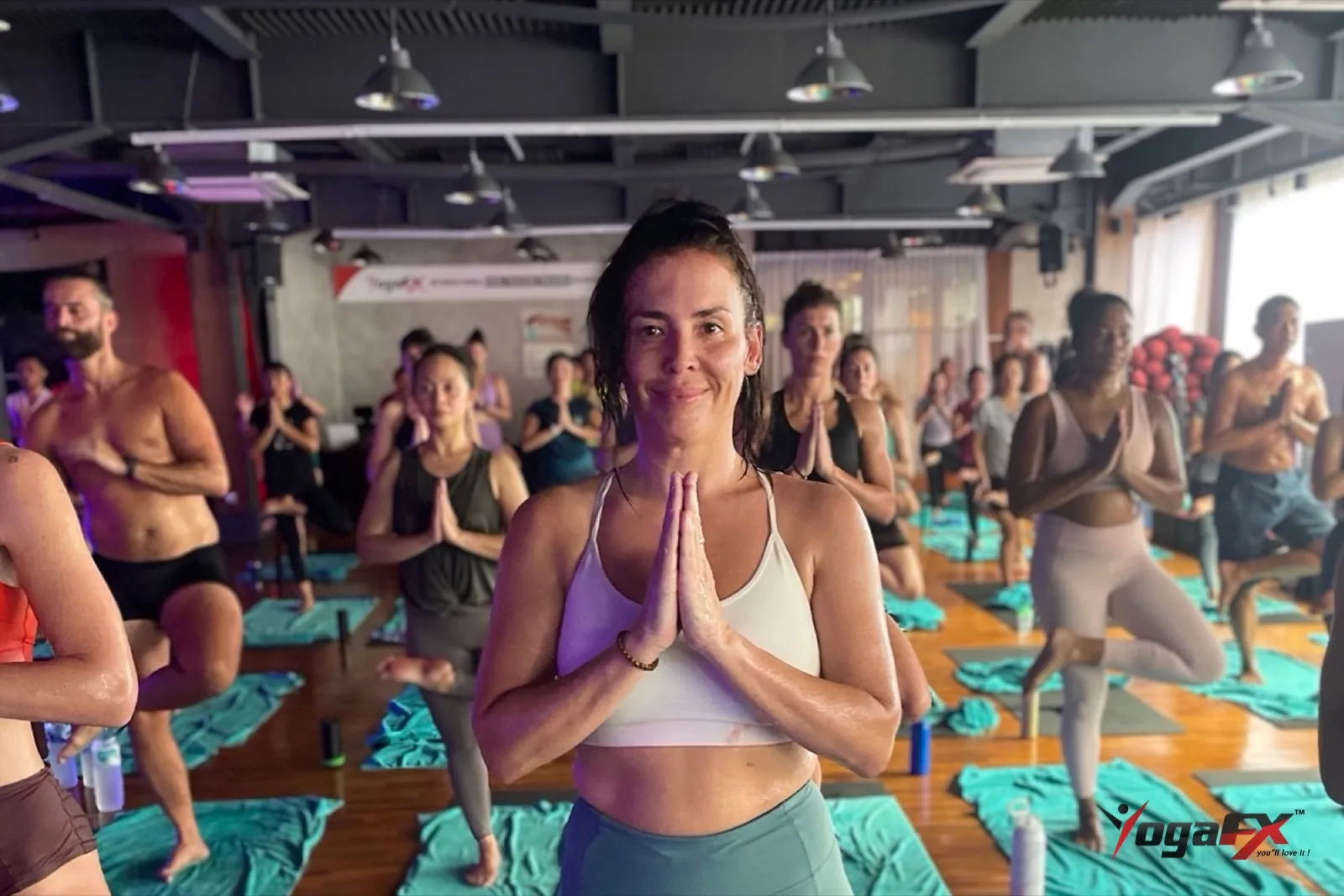
The best numbers on how men view yoga come from the US National Health Interview Survey. The Centers for Disease Control and Prevention (CDC) reported the 2022 results in NCHS Data Brief 501. It found that 10.3% of men had practised yoga in the past 12 months. For women the figure was 23.3%. Put differently, women practised at more than twice the rate of men.
That gap sounds like rejection. The rest of the brief tells a more useful story. Among people who do practise, 79.6% of men and 80.2% of women said they came to restore overall health. A slightly bigger share of men than women used yoga for pain: 31.8% versus 27.5%.
So the problem isn't what men want from yoga. Men who get through the door want what women want, which is a body that works. So why don't men do yoga? The numbers point to the door, not the practice. Three readings follow from the numbers:
- Interest isn't the obstacle. Once a man practises, his stated goal is almost identical to a woman's.
- The first class is the obstacle. A man has to be willing to walk into an unfamiliar room before any benefit can reach him.
- Pain is a practical way in. A slightly higher share of men practise to manage pain, so a clear, physical reason to start often beats a vague wellness pitch.
A caution on the data: the figures are age-adjusted estimates for US adults. We use them as a guide to how men view yoga, not as a global count.
Why Stigma Shapes How Men View Yoga
Stigma among men is hard to measure directly, but it probably explains part of that door effect. In 2016, Seidler and colleagues published a systematic review in Clinical Psychology Review. They screened 1,927 citations and included 37 studies. They concluded that conforming to traditional masculine norms had a threefold effect on men with depression: it shaped how symptoms appeared, whether men sought help, and how they managed symptoms.
The review doesn't mention yoga, so we won't pretend it does. It does show how strongly ideas about what a man should be can steer his choices, and how men view yoga may follow the same pattern. It's reasonable to ask whether the same ideas steer a man away from a room that looks soft or unfamiliar. That's our inference, not the authors' finding.
The authors also note that tailoring and targeting interventions may raise men's uptake of services. We can borrow the spirit of that point. The useful question isn't how to persuade men that yoga is for them. It's how to design the first class so it suits how many men already weigh a decision: clear rules, visible effort and measurable results.
Four doubts, in plain words
Men rarely say they dislike yoga. They tend to voice a doubt instead, and the doubts are reasonable:
- It looks like a women's activity. Marketing images often show one kind of body, so a man may not see himself in them.
- I'll be the stiffest person in the room. Nobody wants to be compared with the stranger on the next mat.
- It won't challenge me. A man who lifts, runs or rides may assume yoga is too gentle to bother with.
- I can't tell if it works. Without a score or a number, many men lose interest within a few weeks.
The Barrier Map: Five Doubts and What a Fixed Sequence Does
Is yoga for men? Each doubt has a practical answer in the way a 26 and 2 class is built. The table below sets them side by side, so you can judge how men view yoga against the format's design, not its reputation.
| The doubt | How it feels before class | What the fixed format does |
|---|---|---|
| "Yoga is soft" | It looks easy, with nothing to push against. | 90 minutes in a room heated to about 40 degrees C, with 26 postures and little downtime. Effort is the point. |
| "I'll look stiff" | Fear of being compared with the person next to you. | Everyone does the same posture at the same moment, led by a set script, so nobody is performing for anyone. |
| "I won't know what to do" | Unfamiliar flow and unfamiliar vocabulary. | The order never changes. By the third class you know what comes next. |
| "I can't tell if it works" | No score, no numbers, no clear finish line. | You repeat the same posture every class, so last week is always your benchmark. |
| "It's not for people like me" | Studio photos show a narrow type of student. | No demonstration and no music, so attention stays on your own effort, not on how anyone looks. |
Why a Measurable Method Changes How Men View Yoga
How men view yoga often depends on whether they can measure it. A gym has plates and a stopwatch. Most yoga offers neither. The 26 and 2 offers something close, because nothing changes from one class to the next. That consistency is the whole design.
The same 26 postures, in the same order
Each class begins on your feet with a breathing exercise, works through the standing postures, then moves to the mat and ends with a second breathing exercise. The order is fixed, so a newcomer always knows what's coming. That takes much of the dread out of the unknown.
It also gives you a fair test. If you try Garudasana (eagle pose) in week one and again in week four, the posture is identical and only you have changed. A varied flow can't offer that comparison.
A script instead of a show
The teacher follows a set dialogue. There's no demonstration at the front and no music in the background. That matters for how men view yoga, because the room never turns into a performance. Mr. Ian Terry teaches it this way: the teacher's voice tells you what to do, and you do it at your own depth. Nobody needs to be impressive.
Progress you can see
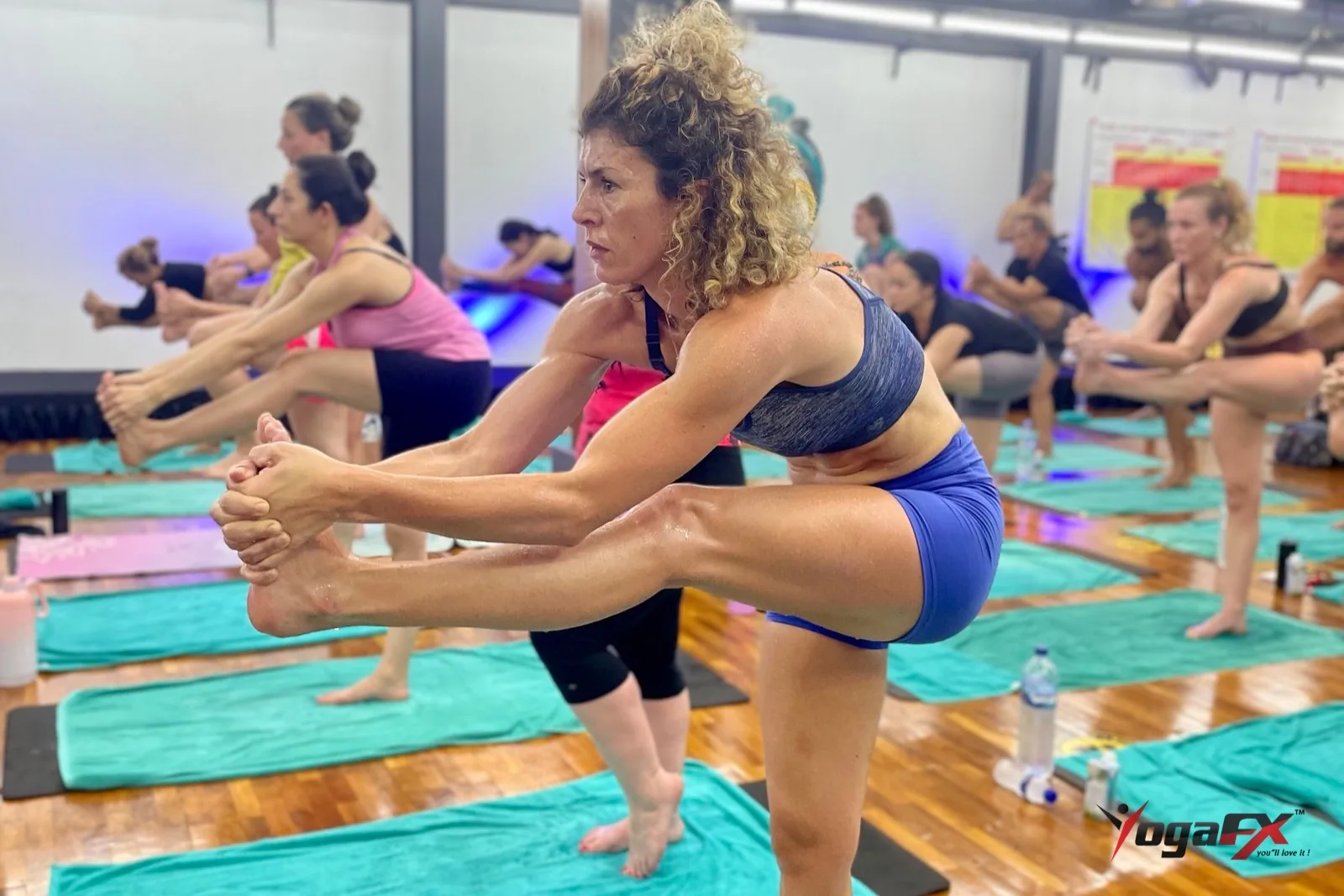
Repetition turns vague improvement into something you can track. Pick one posture, such as standing head to knee, and note how long you stay steady before the wobble. Check again each week. A change of a few seconds feels small, yet it's concrete, and it's the kind of feedback that keeps a skeptic coming back.
If your main worry is whether the heat will be too much, our guide on whether men can do hot yoga goes through the common worries one by one. For the wider case behind a fixed, measurable method, read yoga benefits for men.
Gym habits, translated
Men who train already think in logs, repeatable tests and clear rules. That mindset shapes how men view yoga in the first week, and it carries over well. The class has a fixed length, a fixed list of postures and a fixed order, so it behaves like a benchmark workout. You can repeat it, compare it and see where you stand.
There's one difference worth stating plainly. In a gym you push until the set is done. In a heated room you pace yourself, because the heat adds its own load. Resting is allowed at any point, and it's a sensible part of the method for a beginner, not a sign of weakness. How men view yoga often shifts the first time they realise that holding back early is what lets them finish.
Day One: What a Skeptical Man Should Expect
A little preparation takes the edge off the unknown. Most of the doubts above fade once you know the routine, and how men view yoga tends to follow, so here is what the first class looks like from the mat.
- Arrival. Come early enough to find a spot, lay out a towel on your mat and fill a water bottle.
- The opening. The class starts standing, with a breathing exercise, and the teacher's script tells you where to place your hands and feet.
- The middle. The standing series asks for balance, heat and effort all at once. Rest whenever you need to.
- The floor series. The second half moves to the mat. The postures change, but the effort doesn't stop.
- The close. A final breathing exercise brings the class to a calm finish. Stay in the room until it ends.
Notice what's missing: no demonstration, no music and no partner work. For a skeptical man, that is often the part that decides how men view yoga in his own case. Nobody is watching you, because everyone is busy with their own posture.
Mr. Ian Terry, who has taught more than 12,000 hours, teaches the class the same way every time. That sameness is deliberate. It's what lets a man judge the method on its own terms instead of on a studio's mood or a teacher's style.
What the Evidence Can and Cannot Say
Opinion is cheap, so here is what controlled research shows. A 2023 randomized controlled trial in the Journal of Clinical Psychiatry compared 8 weeks of community-delivered heated hatha yoga with a waitlist in adults with moderate-to-severe depression. Among the 65 people analysed, 59.3% of the yoga group saw their depression scores drop by at least half. In the waitlist group, only 6.3% did.
Read that result with care. The trial tested heated hatha yoga, not the 26 and 2 specifically. Women made up 81.5% of the analysed group, so it can't tell us how men respond on their own. The authors describe the findings as preliminary and call for studies with active comparison groups. Treat it as an encouraging first signal.
The heat is a genuine physical demand, so respect it. If you have a heart condition, raised blood pressure or any other medical concern, see a doctor before your first class. Yoga isn't a treatment for depression or any other condition. Always consult a healthcare professional before starting heated practice.
For readers who want more numbers on how men view yoga and who is actually in the room, we publish a separate look at how many men do yoga in 26 and 2 classes.
What Trainees Say After the Course
Numbers show who practises. Reviews show how men view yoga once doubt turns into confidence. We drew these from our review store. Neither reviewer is identified as a man, so read them as examples of that shift, not as male-specific data.
Mr. Ian and team are very good people. At first, i thought the training would overwhelm me as i am a newbie in yoga journey. But, no!
Idam, Google review, 2024
I feel myself more confident and stronger. New experience, thank you.
A trainee in our YouTube review, 2023
The second review comes from a short video. You can watch it below.
A First Month Plan for a Skeptical Man
How men view yoga rarely changes from reading about it. It changes from a fair test, and you don't have to commit to anything big to run one. This plan works for most newcomers who feel unsure:
- Week 1: Book one class and tell the teacher you're new. Bring water and a towel, and check with a doctor first if you have any medical concerns.
- Week 2: Go again. The first class is usually the hardest, so don't judge the method on it.
- Week 3: Pick one posture and write down how it feels. Keep the note short.
- Week 4: Compare your note with week 3. The sequence hasn't changed, so any difference is yours.
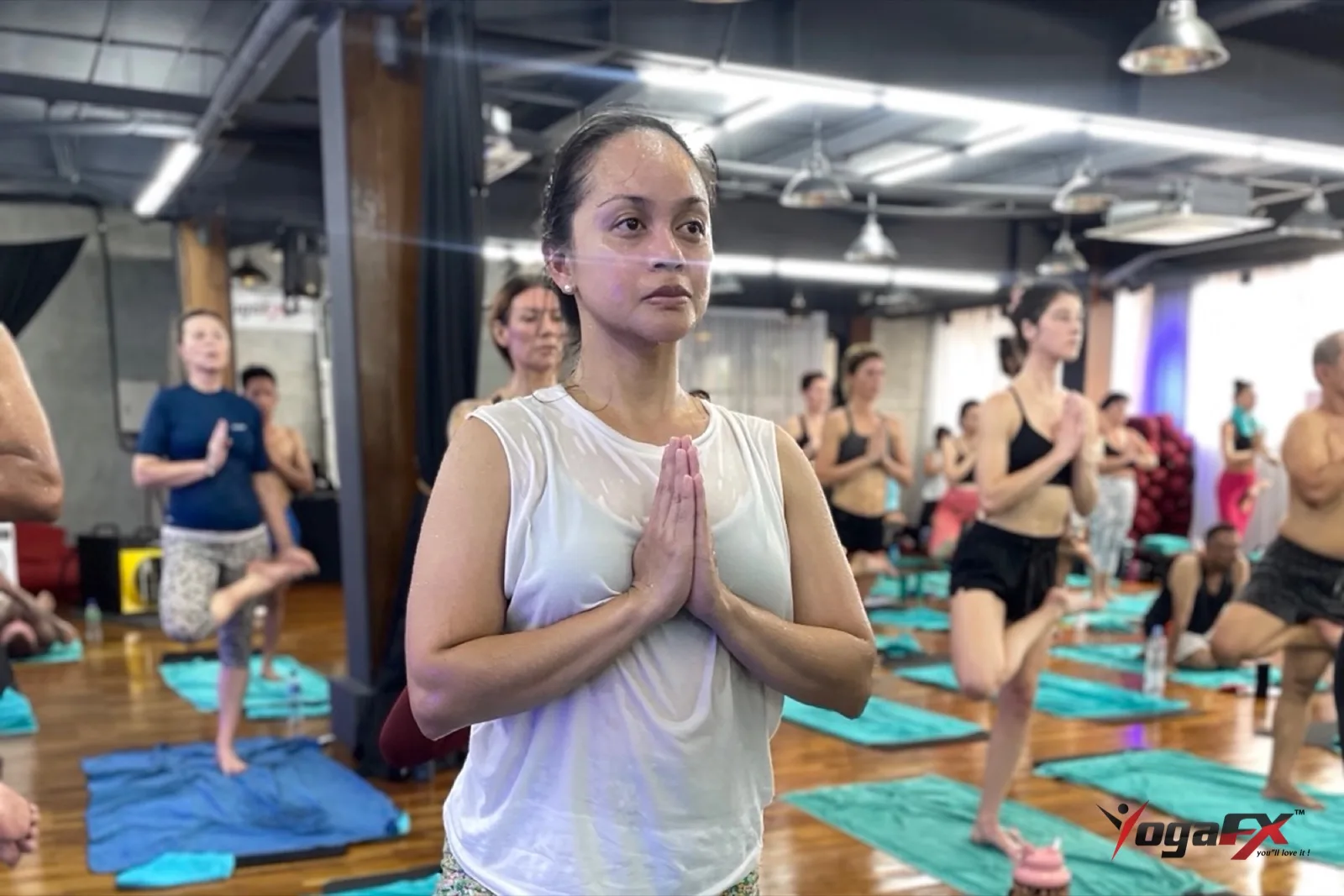
If walking into a mixed room is the sticking point, read what it's like in practice in men in yoga classes. It looks at the room from a man's point of view.
From Doubt to the Teacher's Podium
Practice builds the body. Teaching asks for more: you learn the full dialogue, deliver it to a room and correct other people's postures.
How men view yoga can shift all the way to teaching, and many who arrive skeptical end up here, because a fixed method gives them a clear standard to learn and a clear way to know they've met it. Our sister teacher-training site shares the enrolment numbers for male applicants, which show the same shift from the training side.
YogaFX runs a 6-day hybrid Hot 26&2 teacher training: the theory comes online, and the practical training happens in Bali. The next batch runs from Sunday 24 January 2027 to Friday 29 January 2027 at Soham Wellness Center in Seminyak. Graduates leave with two certificates: Yoga Alliance RYT 200-Hour and the Bikram Hot 26&2 200-Hour International Yoga Certification.
Want to test the method first? Our Seminyak studio (Jl. Pangkungsari Gg Jepun No.888, Kuta Utara, Seminyak, Badung, Bali 80361) is open 06:00-22:00 daily, and the first class is free with the Free 1-Day Guest Pass.
FAQ
Why don't more men do yoga?
Surveys show a real gap: 10.3% of US men practised yoga in 2022, against 23.3% of women. Research on masculine norms suggests stigma may play a part, although that research covers depression, not yoga. Men who do practise want the same thing women want, which is better overall health.
Who does more yoga, men or women?
Women do. The CDC's 2022 survey found that 23.3% of US women and 10.3% of US men had practised yoga in the past year. Among people who practise, the reasons look similar, with about 80% of both groups saying they do it to restore overall health.
Is yoga harder for men?
Not by rule. Flexibility varies widely from person to person, so some men find the first classes harder than they expected. Heat adds load for everyone. A fixed sequence helps because you repeat each posture every class and can watch it change over several weeks.
Who should not do hot yoga without medical advice?
Anyone with a heart condition, high blood pressure or another medical issue should speak to a doctor first, because 90 minutes in a heated room is a real load on the body. This applies to men and women. Tell the teacher you are new, rest when you need to, and drink steadily.
Still have questions? Message Mr. Ian and the YogaFX team on WhatsApp and we will answer them personally.