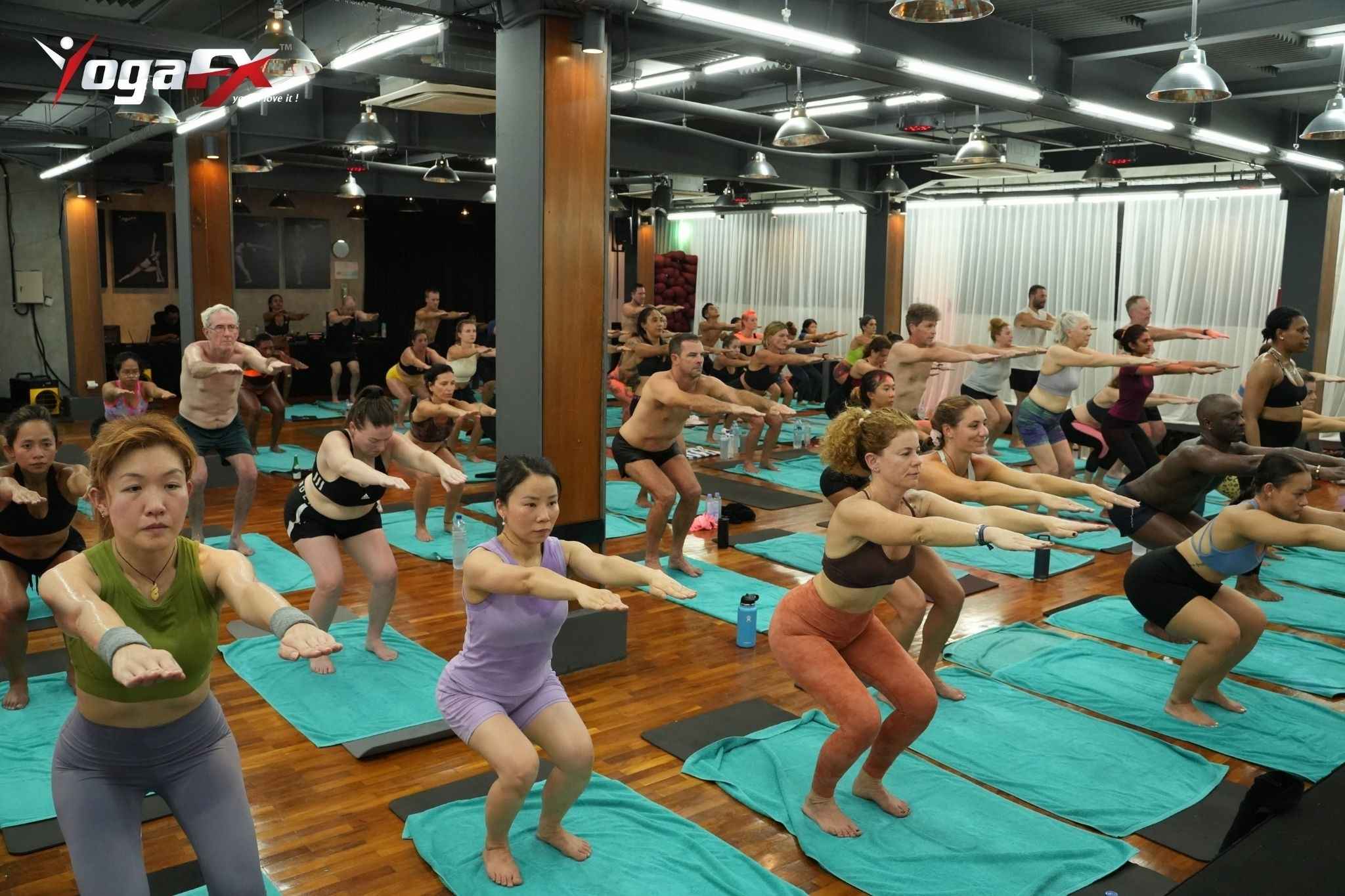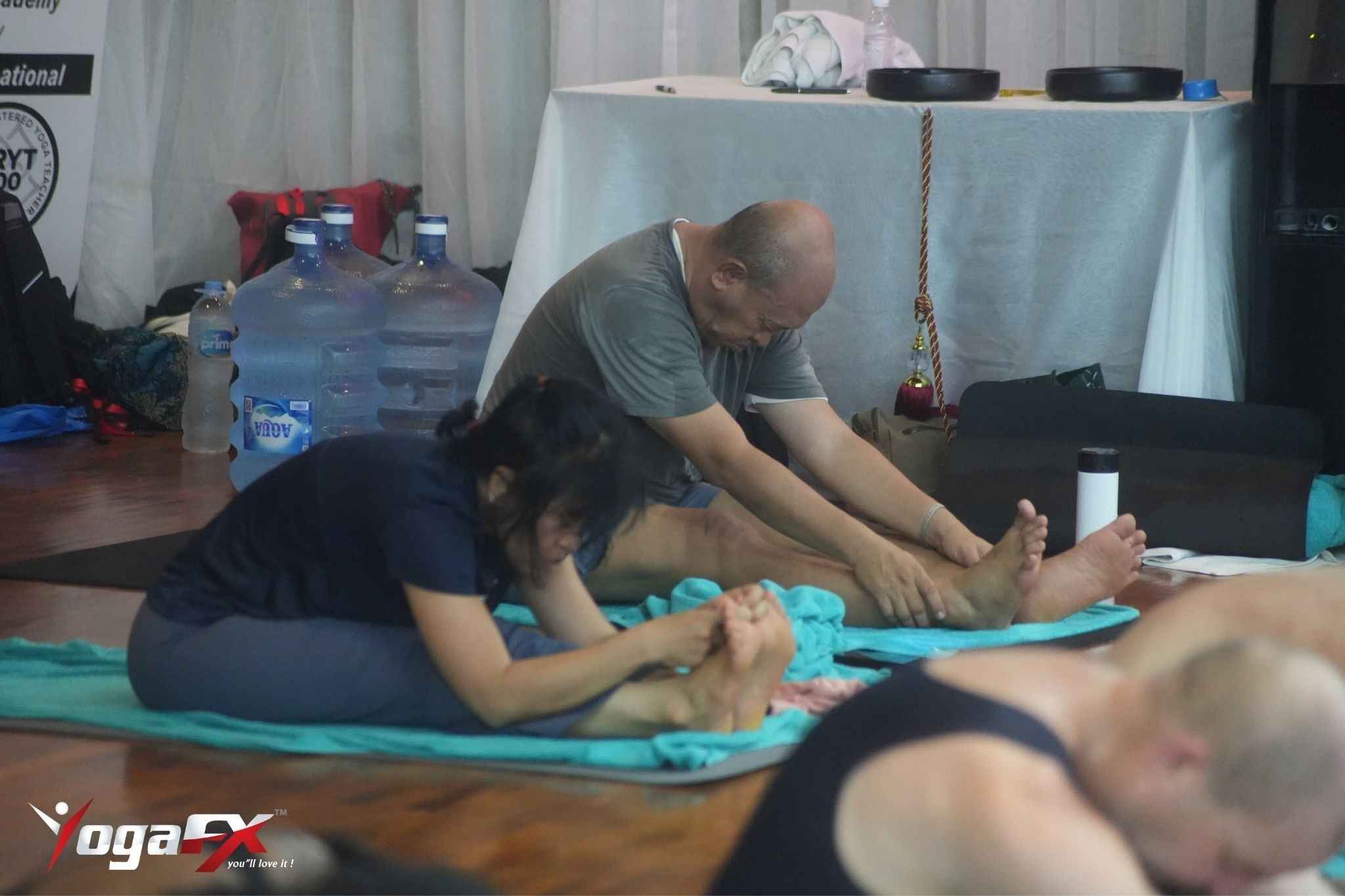
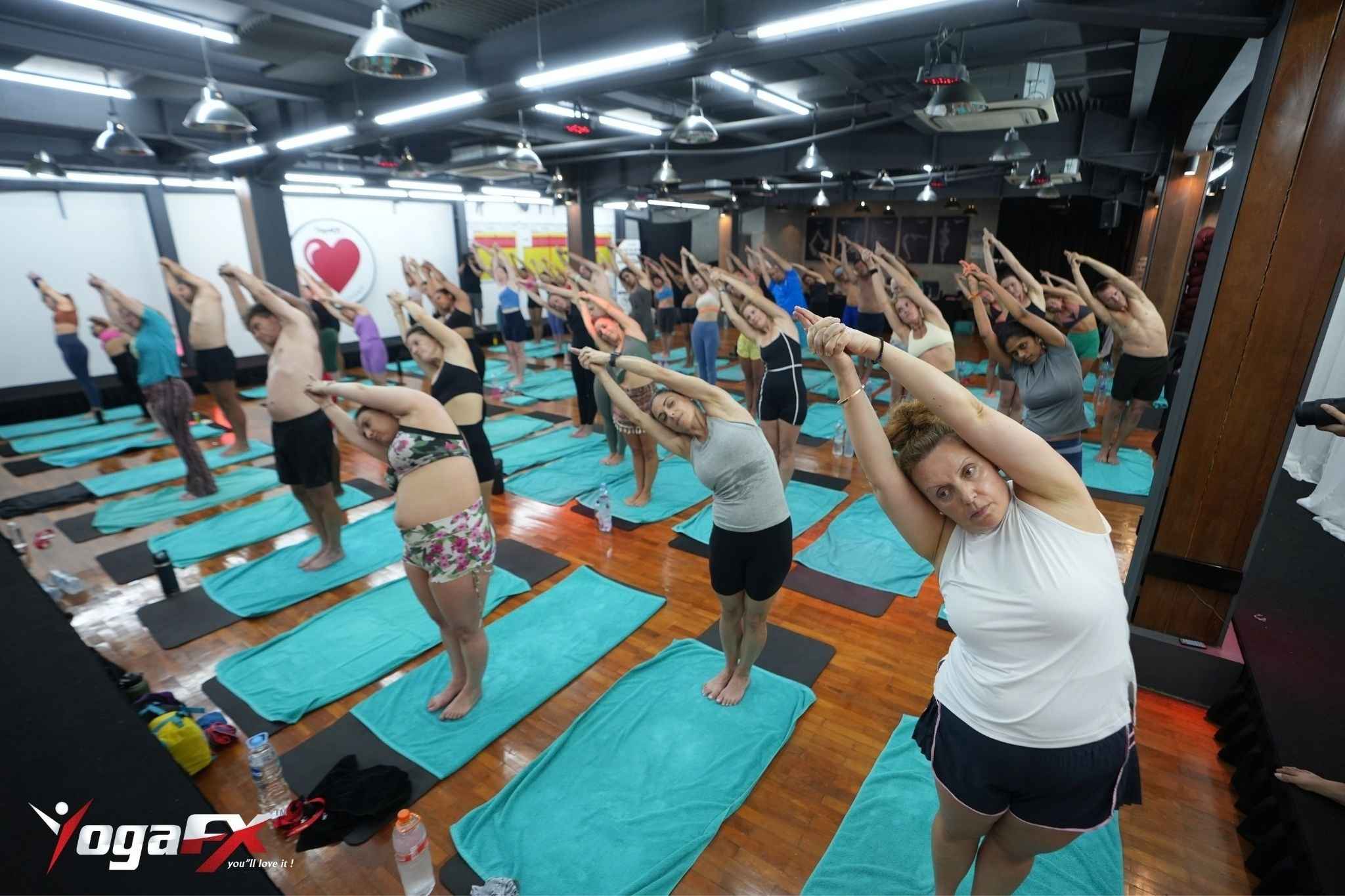
Most people should practise 26 and 2 hot yoga two to three times a week to see solid health benefits, which matches the schedule used in most research on the method. Beginners do best starting with one or two classes a week while the body adapts to the heat. Advanced students often practise four to five times a week, as long as they keep at least one rest day and prioritise sleep and hydration.
That answer covers most people, most of the time. The more useful answer depends on why you are practising. Someone training for flexibility, someone trying to lose weight and someone preparing for teacher training will each land on a different number, and the right schedule in your first month is not the right schedule in your sixth.
This guide draws on the experience of Mr. Ian Terry, E-RYT 500, founder of YogaFX, who has taught more than 12,000 hours of 26 and 2 and watched thousands of students build, and sometimes overbuild, their weekly practice.
How Often to Practise by Experience Level
| Level | Classes per week | Why |
|---|---|---|
| Beginner (first month) | 1 to 2 | Lets your body adapt safely to the heat and the demands of a 90-minute sequence |
| General fitness and maintenance | 2 to 3 | The schedule used in most studies showing gains in strength, flexibility and mood |
| Advanced practitioner | 4 to 5 | Faster progress in the postures, provided sleep, food and hydration keep up |
| Short intensive (challenge, retreat, teacher training) | Daily, for a limited period | Deliberate overload for a few weeks at most, followed by a return to a normal week |
Two things matter more than the exact number. The first is consistency: three classes a week every week beats six one week and none the next. The second is the trend. Most students start lower than they think they should and build up over the first two months, which is exactly the right instinct.
How Often to Practise for Your Goal
Different goals respond to different doses. This table gives a realistic starting point for each one once you are past the first few weeks.
| Goal | Suggested frequency | What to expect |
|---|---|---|
| Flexibility | 3 to 4 classes a week | Steady gains in hamstrings, hips and spine within about two months |
| Lower back and leg strength, balance | 3 classes a week | The dose used in the main strength study on this method |
| Weight management | 3 to 5 classes a week | Each class burns roughly the same as a brisk walk of the same length, so frequency and diet do the work |
| Mood and stress | 2 to 3 classes a week | Many students notice calmer sleep and mood within the first month |
| Preparing for teacher training | 4 to 5 classes a week for 6 to 8 weeks | Builds the heat tolerance needed for daily practice during the intensive |
| Maintenance | 2 classes a week | Holds most of what you have built |
For weight loss in particular, keep expectations grounded. Lab measurements from the University of Wisconsin-La Crosse (Porcari et al., 2014) put the average burn at about 330 calories for women and 460 for men per 90-minute class. That adds up across a week, but it does not outrun a poor diet, and most of the weight lost straight after class is water. Our guide to how many calories 26 and 2 burns covers the numbers in detail.
What the Research Actually Used
Recommendations of "two to three times a week" are not arbitrary. They come from the schedules researchers used when they found measurable change.
- Strength and flexibility. In the 2013 Tracy and Hart study, participants took 24 classes over eight weeks, three a week, and improved lower back strength, hamstring flexibility and balance.
- Mood. A 2023 Massachusetts General Hospital trial (Nyer et al.) asked participants to attend heated yoga classes at least twice a week for eight weeks and found significant reductions in depressive symptoms, with 44% reaching remission.
- Anxiety. Research on hot yoga and state anxiety (Hui et al., 2022) found reductions after regular sessions, adding to a picture of mental benefits at moderate frequency.
- The bigger picture. A 2025 systematic review (Willmott et al.) pooled 43 studies and 942 participants and found consistent improvements in flexibility and well-being, mostly from programmes of several weeks at two to three sessions a week.
It is worth being honest about the limits. Many studies are small, and hot yoga is not proven to be superior to other forms of regular exercise. Some of the louder online criticism of hot yoga is really a criticism of overclaiming, such as detox promises, rather than of the practice itself. The evidence supports a practical conclusion: regular classes at a sustainable frequency produce real, measurable change. Our article on the benefits of 26 and 2 and their honest limits goes deeper.
Is Once a Week Enough?
Once a week is worth doing, and far better than nothing. You will still gain flexibility slowly, and the class remains a good 90 minutes of movement and focus.
The catch is heat adaptation. The body's response to heat improves with repeated exposure and fades within days without it. With six days between classes, much of that adaptation slips away, so each class can feel almost as hard as the first. That is the main reason students who move from one class a week to two often say the practice suddenly "clicked". If your schedule only allows one class, make it the full 90 minutes, and add a short unheated stretch at home midweek to keep the body moving.
Can You Do Hot Yoga Every Day?
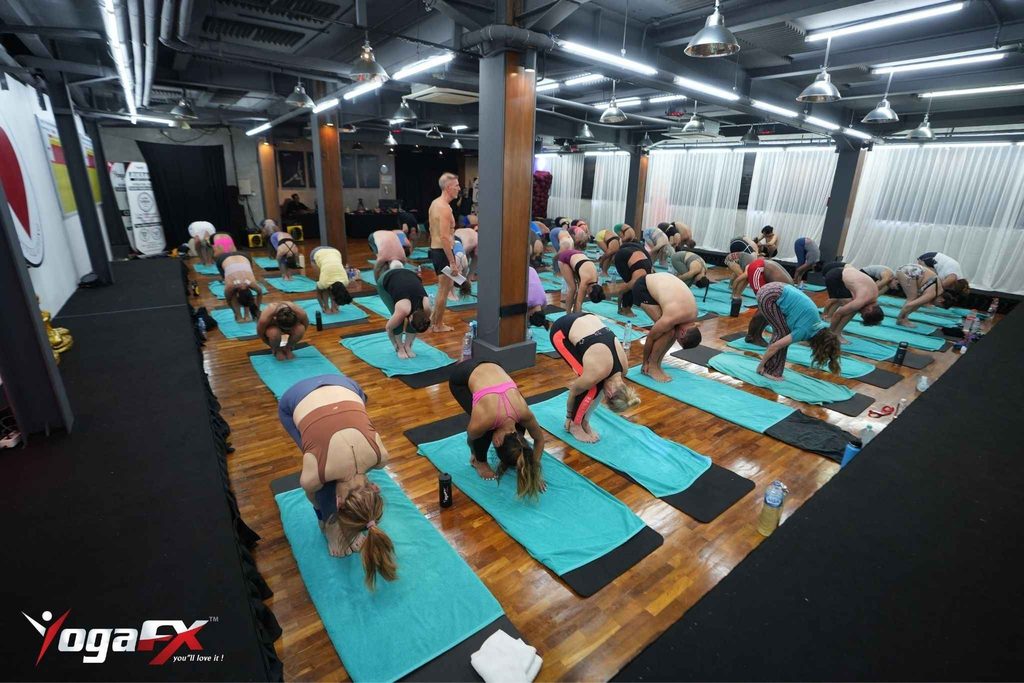
For a short, deliberate period, yes. For the long term, it is better to keep at least one rest day a week.
Daily practice is common in 30-day challenges, practice retreats and teacher training intensives, where the point is to go deeper for a defined stretch of time. Experienced students handle this well when they eat properly, replace electrolytes and sleep enough. Over months, though, seven days a week leaves no time for connective tissue to recover, and the risk of nagging injuries, poor sleep and burnout rises. A weekly rest day is not a sign of a weaker practice. It is part of what keeps the practice going for years.
If you do take on a daily challenge, set an end date, plan one gentler class each week where you work at about 70 to 80% of your depth, and stop early if warning signs appear.
Can You Do Two Classes in One Day?
Experienced students sometimes do, especially during intensives. It is not necessary for results, and it is not something to do often. If you try it, keep these rules:
- Be well adapted first. At least a few months of regular practice, with no recent issues in the heat.
- Space them out. Leave several hours between classes, for example one early morning and one evening.
- Refuel in between. Eat a real meal, drink steadily and replace electrolytes before the second class.
- Make the second class lighter. Work at a gentler depth and rest freely.
- Not on consecutive days. Doubles every day add up quickly, even for strong practitioners.
A First 8 Weeks Plan for Beginners
New students usually ask how fast to build up. This plan follows the pattern Mr. Ian Terry sees work for most beginners: start gently, then add a class once the heat stops feeling like the main event.
| Weeks | Classes per week | Focus | Ready to add a class when |
|---|---|---|---|
| 1 to 2 | 1 to 2 | Stay in the room, rest whenever you need, breathe through the nose | You leave class tired but not wiped out for the rest of the day |
| 3 to 4 | 2 to 3 | Complete more of the standing series without sitting down | You recover by the next morning and sleep well |
| 5 to 6 | 3 | Go into both sets of each posture more fully | Your heart rate settles faster during the floor series |
| 7 to 8 | 3 to 4 | Depth in backbends and balancing postures | You look forward to class rather than bracing for it |
Some students move faster, some slower, and both are fine. If the first classes feel brutal, our honest guide to whether 26 and 2 yoga is hard explains what usually changes between your first class and your tenth.
Does Class Length Change the Answer?
A little. A 60-minute class carries less total heat exposure than the traditional 90 minutes, so some students take one more short class per week than they would full-length classes. The trade-off is that shorter classes usually trim second sets and rest, so each one delivers less of the full sequence. Our guide to the 26 and 2 sequence explains what changes when a class is shortened. If you have the choice, three 90-minute classes generally beat four 60-minute ones for depth in the postures.
When to Skip a Class

Listening to your body is the most important recovery rule, and it sometimes means staying home. Take a rest day, or stop and rest during class, if you notice:
- Dizziness, nausea or a headache that does not settle with rest and fluids.
- Sharp pain rather than the ordinary effort of a stretch.
- Unusual exhaustion, poor sleep several nights in a row, or a resting heart rate noticeably higher than normal.
- Signs of dehydration, such as dark urine or feeling thirsty all day.
- Illness, especially fever or a stomach bug.
After a new tattoo, a cosmetic procedure or surgery, follow the advice of the practitioner who treated you on when it is safe to return to heat and heavy sweating. If you are pregnant, have a heart condition, high or low blood pressure, or any concern about exercising in heat, consult a healthcare professional before starting or increasing hot yoga.
How to Recover Between Classes
How often you can practise depends as much on what happens between classes as in them.
- Rehydrate steadily. Drink through the day rather than gulping during class, and replace electrolytes lost through heavy sweating.
- Eat after class. A proper meal within a couple of hours helps you recover for the next session. Our sister site's guide to what to eat before hot yoga covers timing.
- Protect your sleep. Evening classes can leave some people wired; if so, move to a morning or midday slot.
- Use rest days well. A walk, a swim or gentle mobility work helps more than complete stillness. If you practise at home on off days, our guide to 26 and 2 yoga at home explains how to keep it safe.
How Often YogaFX Students Practise in Bali
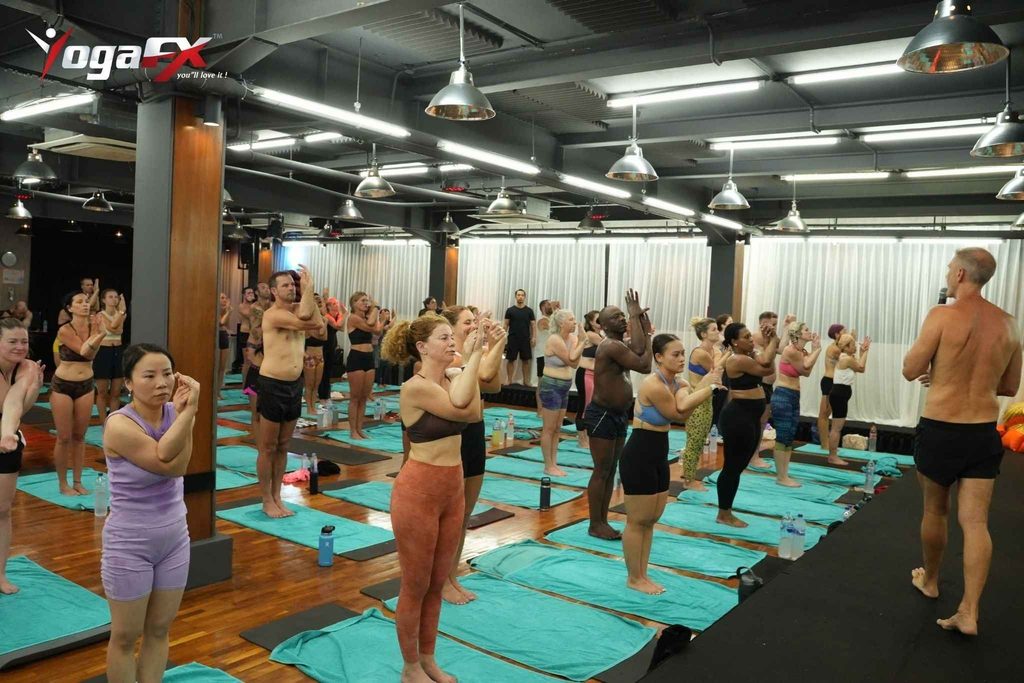
At YogaFX, classes run from 06:00 to 22:00 at studios in Seminyak and Canggu, in rooms that reach about 40°C and 40% humidity through Bali's natural tropical heat rather than electric heaters. Two patterns show up again and again. Visitors on holiday often take four to seven classes in a week, treating the trip as a short practice retreat. Expats and long-stay residents usually settle at three to four classes a week, which fits around work and surf and keeps progress steady for months.
Mr. Ian Terry, who trained directly at five teacher training events between 2012 and 2019 and has certified more than 1,500 teachers from over 80 countries, gives new students the same advice he gives teacher trainees: build the habit first, then the frequency. A student who comes three times a week for a year will always be further along than one who comes every day for a month and then stops.
If you are in Bali, first-time visitors can try a full 90-minute class with a Free 1-Day Guest Pass through the YogaFX Bali studio site. And if you are already practising four or five times a week and wondering what comes next, the teacher training intensive is where daily practice turns into a dual certification, Yoga Alliance RYT 200 and Bikram Hot 26&2. Take the 2-minute readiness quiz to see if you are ready. If you have already paid a course deposit through Tripaneer, this step-by-step guide to your Tripaneer deposit options may help you plan your next move.
FAQ
How many times a week should you do Bikram or 26 and 2 yoga?
Two to three classes a week is the sweet spot for most people and matches the schedule used in most research. Beginners should start with one or two classes while adapting to the heat. Advanced students often practise four to five times a week, keeping at least one rest day for recovery.
How often should you do hot yoga to lose weight?
Three to five classes a week gives the most noticeable effect, combined with a sensible diet. A 90-minute class burns roughly 330 calories for women and 460 for men, similar to a brisk walk. Most weight lost straight after class is water, so judge progress over weeks, not single sessions.
How many hot yoga classes does it take to see results?
Most students notice better sleep and mood within the first few weeks, and clearer changes in flexibility and strength after about eight weeks of two to three classes a week. That timeline matches the studies, which typically ran programmes of around 24 classes over two months.
Is it OK to do hot yoga every day?
For short periods such as a 30-day challenge, a practice retreat or teacher training, experienced students can practise daily with good hydration, food and sleep. For long-term practice, keep at least one rest day a week so connective tissue can recover and the risk of injury and burnout stays low.
Is hot yoga once a week enough?
Once a week still helps flexibility and well-being, but progress is slower because heat adaptation fades between classes, so each session can feel almost like the first. Moving to two classes a week is usually when students feel the practice start to click and see steadier improvement in the postures.
Can you do hot yoga twice a day?
Experienced students sometimes do during intensives, but it is not needed for results. If you try it, be well adapted first, leave several hours between classes, eat and replace electrolytes in between, keep the second class gentler, and avoid doing doubles on consecutive days.
This article is for general information and is not medical advice. Please consult a healthcare professional before starting or increasing hot yoga if you have any medical condition or concerns about exercising in heat.