Savasana benefits start with a simple fact: after 90 minutes of work in a hot room, your body finally gets to stop. In a 26 and 2 class that final rest lets your breath slow, your muscles let go and your mind go quiet. Research on relaxation suggests it may also lower stress and help you sleep.
Table of Contents
Mr. Ian Terry, E-RYT 500, has taught more than 12,000 hours at YogaFX, and every class ends the same way: the whole room lying still. So this guide follows that ending. You will see where the rests fall, seven savasana benefits you can feel, what research says, and how to rest well.
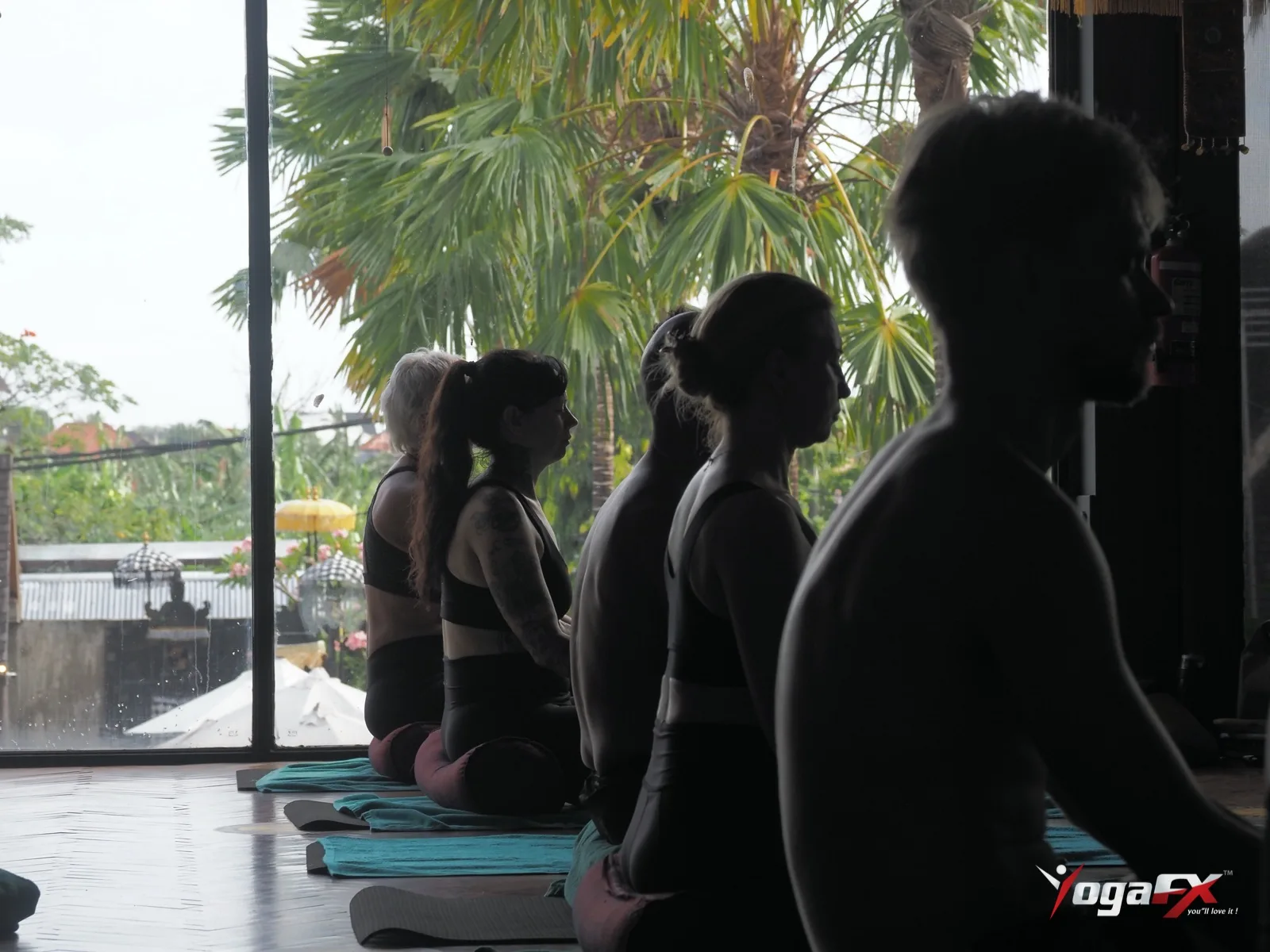
Savasana Benefits in a 26 and 2 Class: Where the Rest Falls
A 26 and 2 class runs 90 minutes in a room near 40°C and 40% humidity. It holds 26 postures and 2 breathing exercises in the same order every time. Because the order never changes, the rests never move either. That makes it easy to see where the savasana benefits show up.
The table below maps the rests. It is our teaching reading of the sequence, not a lab measurement. You can see every posture in the full 26 and 2 sequence.
| Class stage | What your body just did | What the rest gives you | How to use it |
|---|---|---|---|
| Standing series, then the first Savasana (about two minutes) | Legs, core and heart worked hard in the heat | Heart rate and breath begin to settle | Lie flat, breathe through the nose and keep still |
| Short rests between floor postures | Back, hips and belly worked close to the floor | A brief reset before the next posture | Let the body go limp, then breathe before the next call |
| Closing breathing exercise, Blowing in Firm | Fast, sharp exhales | A strong contrast from effort to quiet | Stay with the quiet that follows |
| Final Savasana | Ninety minutes of heat and effort are behind you | Calm, loose muscles and a clear head | Stay until the end and rise slowly |
Savasana Meaning: Why It Is Called Corpse Pose
Savasana is a Sanskrit word. Sava means corpse and asana means pose, so many people know it as corpse pose. The name does not describe death. It describes a body that lies so still it holds nothing up. Many students find the idea odd at first, because lying still sounds too easy.
It is not easy. Lying still after hard work asks you to drop effort, and that is a skill. So when people list corpse pose benefits, they are really describing what happens once the effort stops.
7 Savasana Benefits You Can Feel After a Hot Class
These seven savasana benefits are what students and trainees describe most often. Some are backed by research on relaxation, and some come from teaching experience. We mark which is which, so you can judge for yourself.
1. Your Heart Rate and Breathing Settle
Among the savasana benefits, this one comes first. In the standing series your heart pumps hard, because it sends blood to your muscles and to your skin to cool you. When you lie down, that demand drops. Your heart rate has a chance to slow, and your breath follows.
The Mayo Clinic lists a slower heart rate and slower breathing among the effects of relaxation techniques. We cannot measure your pulse for you. Still, most students feel the change within a minute or two of lying down.
2. Tense Muscles Let Go
Hold a posture for long enough and the muscles stay switched on after you leave it. Savasana gives them nothing to do. The Mayo Clinic also lists easing muscle tension among the benefits of relaxation.
Try this in the first rest. Check your jaw, your shoulders and your hands. Most students find that one of them is still clenched. Let it go, and you will feel the floor hold you.
3. The Mind Gets One Quiet Job
For 90 minutes the teacher's dialogue tells you what to do next. In savasana the voice stops. Your only job is to lie still and breathe. That is a rare break from decisions, screens and noise.
Some students meet a busy mind here, and that is normal. You do not have to clear your head. Notice the thought, then return to the breath. For more on this, read how stillness helps with anxiety in hot yoga.
4. Stress Feels Lower
The Mayo Clinic says relaxation techniques can lower stress symptoms and lessen stress hormones. The National Center for Complementary and Integrative Health adds that studies suggest possible benefits of yoga for stress management. It cites a 2020 review of 12 studies that found beneficial effects on perceived stress in all of them.
Savasana is one part of a whole class, so we do not claim it did all of that alone. But it is the part built purely for rest, and it is where a hard day can start to loosen its grip.
5. Sleep May Come Easier
The Mayo Clinic lists better sleep quality among the benefits of relaxation. Many students tell us they sleep deeply after an evening class. A heated class can also leave you warm and alert, so leave a gap before bed. Our guide to feeling tired after hot yoga covers what to expect.
6. Dizziness and Overheating Are Handled Safely
Lying down is the first-aid move in a hot room. When a student feels dizzy or light-headed in the standing series, the advice is to lower the body and lie on the back. Because savasana is built into the class, resting is never a failure.
The NCCIH warns that hot yoga has special risks related to overheating and dehydration. So treat savasana as a safety tool as well as a pleasure. If dizziness does not pass, leave the room and get help.
7. You Notice What the Class Did
The last of the savasana benefits is awareness. In movement the body is busy. In stillness the effects show up. Many students notice warmth in the legs, a longer breath or a lighter back only once they lie down. This is the moment the class lands, and it is where you learn whether the practice suits you.
Here is a good habit. Ask yourself one question at the end of savasana: what changed since the first breath? Over a few weeks, the answers tell you more than any mirror can.
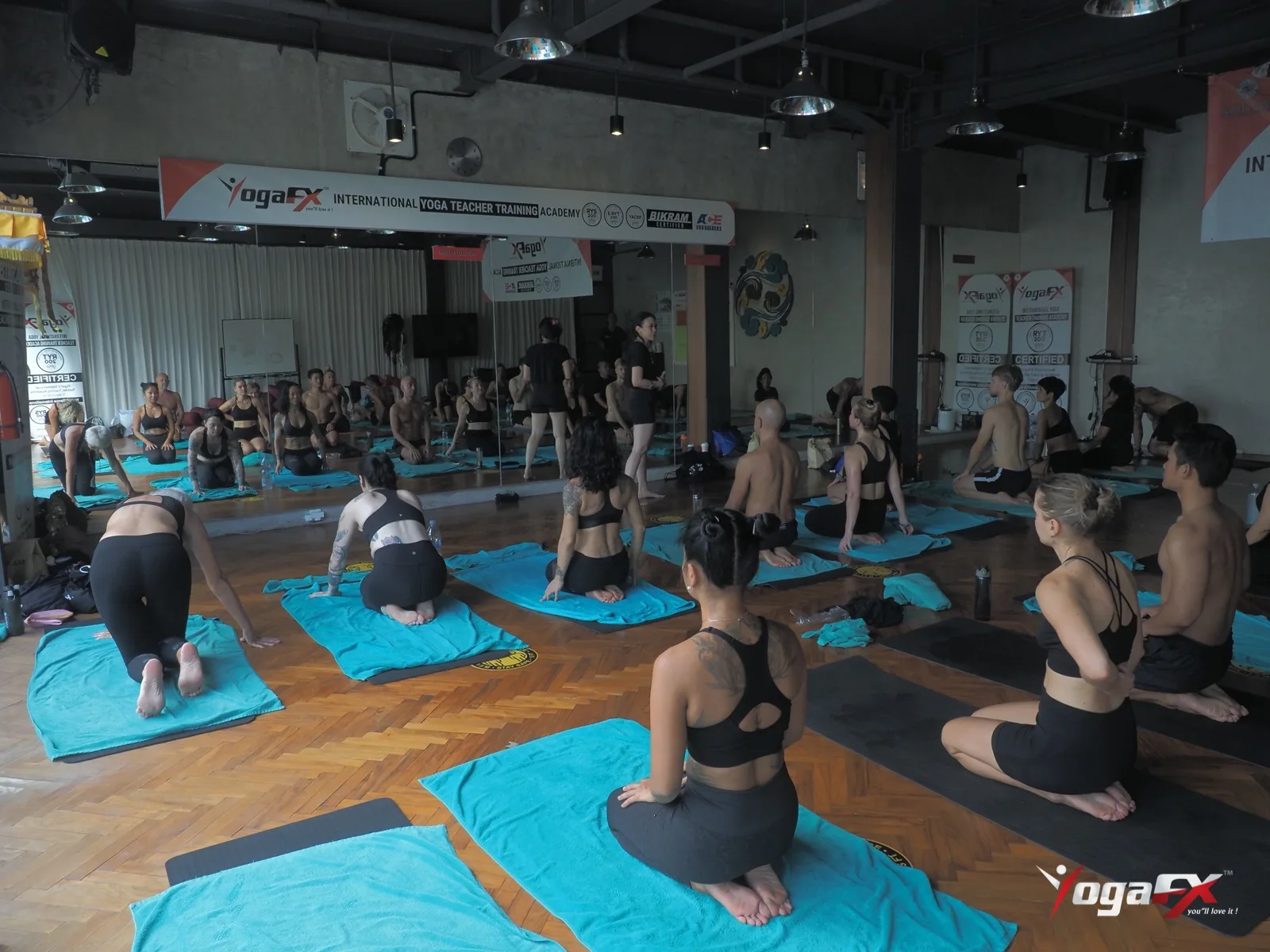
What Research Says About Savasana Benefits
Research on savasana benefits is small, so we should be careful. Here is what we can say, and what we cannot.
Savasana Benefits in a Trial: Heart Rate and Blood Pressure
A 2014 study in the American Journal of Health Promotion tested shavasana with soothing background music on 67 first-year medical students. The study group practised for an hour a day for six weeks. Their heart rate and blood pressure fell and their heart rate variability improved, while the control group showed no significant change.
That is encouraging, but the limits are clear. The students rested for an hour daily, not for a few minutes at the end of a hot class. The group was young and healthy too. So read it as a sign that deliberate rest can affect the body, not as a promise for your own pulse.
Heated Yoga, Mood and the Limits of the Evidence
A 2023 randomized trial from Massachusetts General Hospital (Nyer et al.) found that about 59% of people in an eight-week heated yoga programme had a drop of 50% or more in depression symptoms, compared with about 6% on a waitlist. That trial tested whole heated classes, not savasana alone, so it says nothing about rest by itself. Our write-up of the Harvard depression trial covers it in detail.
In short, the evidence supports rest and relaxation as helpful habits. It does not prove that two minutes of savasana fixes anything. We say that plainly, because honest limits are part of good teaching.
The Class Around the Rest: Key Numbers
90 min
One full class
The class runs the whole 90 minutes, and it ends in stillness.
40°C
Room heat
Natural tropical heat near 40°C, not an electric heater.
40%
Humidity
Humidity near 40% means sweat dries slowly, so rest matters.
2 min
First Savasana
A rest of about two minutes follows the standing series.
26 + 2
Postures and breathing
Twenty-six postures and two breathing exercises in a fixed order.
How to Rest Well: 6 Steps for Better Savasana Benefits
Savasana looks like doing nothing, yet small details change how many savasana benefits you feel. These six steps keep you resting instead of waiting for the class to end.
- Lie flat on your back. Let your feet fall open and your arms rest a little away from your body, palms up.
- Close your eyes and soften your face. Relax your jaw, your forehead and your tongue.
- Breathe naturally. The breathing exercises are finished, so do not shape or force the breath.
- Stay still. Skip the itch, the towel and the hair, because small movements pull you out of rest.
- Let thoughts pass. When your mind wanders, return to the breath without scolding yourself.
- Rise slowly. Move gently at the end, since standing fast in a warm room can leave you light-headed.
Common Mistakes That Cost You Savasana Benefits
- Leaving early. You skip the very part that lets the body recover.
- Fidgeting. Constant movement keeps your muscles switched on.
- Planning the evening. Lists and messages fill the quiet that you just earned.
- Skipping it when tired. Tired students often need the rest most.
If you train for another sport, yoga for athletes recovery shows how to use the same rest as a cool-down between sessions.
Who Gets Which Savasana Benefits
Not every student notices the same savasana benefits. Here is how the rest tends to show up for four common students, and what to try.
| Student | What you may notice | What to try | Read next |
|---|---|---|---|
| First-timer | A racing heart that slowly settles | Lie flat at once and stay for the whole rest | Tired after hot yoga |
| Athlete | Legs that loosen after hard training | Treat the rest as a cool-down and keep effort easy | Yoga for athletes recovery |
| Busy mind | Thoughts that grow loud when the room goes quiet | Count ten slow breaths, then start again | Hot yoga and anxiety |
| Teacher in training | How timing and tone shape the rest | Practise cueing the rest out loud | See the training section below |
What Students Say After the Final Rest
We cannot promise any result, and students rarely name the savasana benefits, but they describe the end of a class in plain words. Two trainees spoke on camera for our YouTube reviews.
That was, of course, an awesome, magnificent class by Ian. Super energetic, and we're really happy.
A trainee in our YouTube review, 2018
it was the best class I've had. Such a big motivator.
A trainee in our YouTube review, 2018
The video above is a short trainee review from our YouTube channel. A Yoga Alliance reviewer wrote about the teaching in the same spirit.
Classes from the head trainer Ian who attended every session.
Jilly, Yoga Alliance review, 2019
None of them writes about savasana. They write about energy, motivation and a teacher who stays present. Those are the things a good final rest helps you carry home. Across platforms, YogaFX students have left 150 Google reviews, 50 Yoga Alliance reviews and 357 YouTube video testimonials.
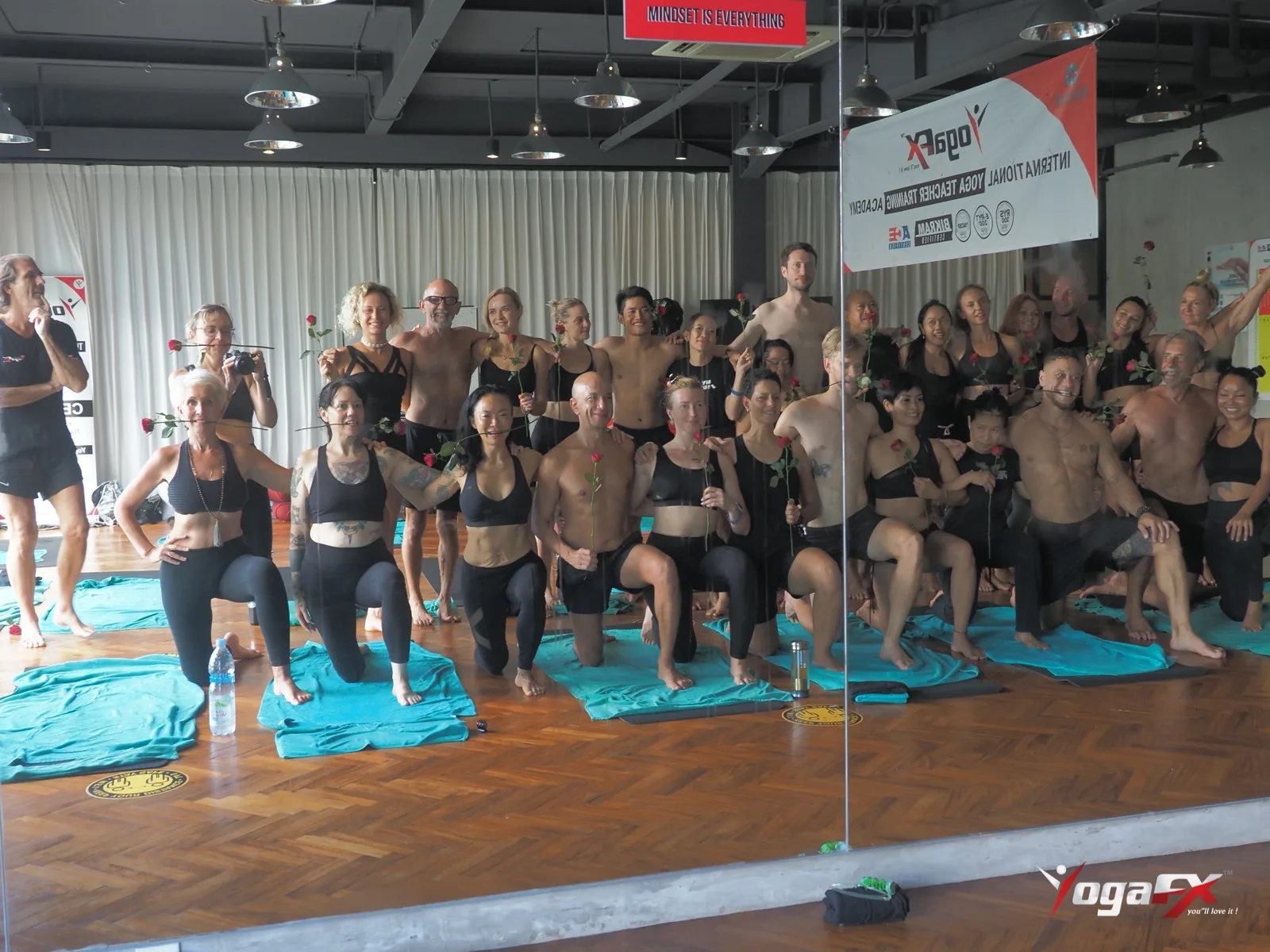
When Savasana Is Not Enough: Heat Safety
Even the best savasana benefits have limits, and rest cannot fix everything. Hot rooms ask a lot of the body, and some signs mean stop. Sit or lie down, cool off and tell the teacher if you notice any of these:
- Dizziness or light-headedness that does not settle after a minute or two of rest.
- Nausea or a pounding headache.
- Shortness of breath that stays.
- Confusion. Treat this as urgent and get help.
The NCCIH says yoga is generally considered safe for healthy people when performed properly under a qualified instructor. It also says hot yoga has special risks, and that pregnant women should avoid it. This article is general information, not medical advice, so consult a healthcare professional if any of this applies to you.
Learn to Teach the Final Rest With Mr. Ian in Bali
Curious how a teacher times and cues the rest that brings these savasana benefits? The YogaFX Bikram Hot 26&2 Yoga Teacher Training MasterClass is a six-day hybrid course: online preparation first, then an intensive in Bali. Graduates earn the Yoga Alliance RYT 200-Hour certificate and the Bikram Hot 26&2 200-Hour International Yoga Certification.
The next batch checks in on Sunday 24 January 2027 and checks out on Friday 29 January 2027, at Soham Wellness Center in Seminyak. Trainees learn to watch students for the signs in this guide, so they can tell a calm rest from a warning sign. New to the method? Start with how the 26 and 2 sequence works.
One Yoga Alliance reviewer described the course like this.
The structure of the course, the work books, the facilities the level of customer care is beyond outstanding.
Jilly, Yoga Alliance review, 2019
Want to ask a person first? Message Mr. Ian on WhatsApp and we will answer you directly.
FAQ
Why is savasana so important?
Savasana is the part of class where your body stops working and starts settling. Your heart rate and breath can slow, muscles can release, and the mind gets a quiet moment. Relaxation research links this kind of rest with lower stress and better sleep, though it does not prove savasana alone does it.
How long should savasana be?
There is no single research-backed length. In a 26 and 2 class the first rest lasts about two minutes, and the final rest closes the class. If you practise alone, start with a few minutes you can stay still for, and lengthen it only when staying still feels easy.
What does savasana mean?
Savasana is Sanskrit. Sava means corpse and asana means pose, so it is often called corpse pose. The name describes a body lying so still it holds nothing up, not death. It is a pose of deliberate rest and release, usually at the end of class.
Is savasana a meditation?
Not exactly. Savasana is a rest pose, and many people use it to practise calm attention, which is why it feels meditative. You do not have to clear your mind. Lie still, breathe naturally and notice thoughts without chasing them. That is enough for the rest to do its job.
Can I skip savasana if I feel restless?
You can, but you will miss the part that lets the body recover. If you feel restless, stay and count slow breaths instead of leaving. If you feel dizzy, sick or confused, that is different: cool down, leave the room if you need to, and get help.
Is this an official Bikram Choudhury teacher training?
No. The YogaFX course is independent training led by Mr. Ian Terry, E-RYT 500. He trained for five years, from 2014 to 2019, with the founder of the Bikram Hot 26&2 method. It awards Yoga Alliance RYT 200-Hour certification plus the Bikram Hot 26&2 200-Hour International Yoga Certification.
Still have questions? Message Mr. Ian and the YogaFX team on WhatsApp and we will answer them personally.