Yoga for athletes recovery works best when it stays easy: slow breathing, Savasana and gentle floor postures at about half effort. A full 26 and 2 class is 90 minutes of work in a 40°C room, so it suits days when you already feel fresh, not the morning after a hard session.
Table of Contents
Picture the day after a long match, a heavy leg session or a hard ride. Your legs feel like wet sand. You want to move, but you do not want another workout. That is the exact moment yoga for athletes recovery is made for, and it is also the moment most athletes pick the wrong class.
This guide walks through the 26 and 2 sequence posture by posture. It sorts each part into recovery or training, so you can choose what to do and what to skip. Mr. Ian Terry, E-RYT 500 and founder of YogaFX, shared the teaching notes. He has more than 12,000 teaching hours, and he trained for five years, from 2014 to 2019, with the founder of the method.
If you would rather start at home, read this gentler plan of home routines for sore, busy men on our sister site. Then come back here for the studio view.
Yoga for Athletes Recovery Starts With Zone 1
Coaches call the easiest training level Zone 1. It is effort so light that you can breathe through your nose and talk in full sentences. Yoga for athletes recovery aims at Zone 1, because the goal is to move blood and calm the breath, not to add stress.
Endurance research backs plenty of easy work. In a 2010 review in the International Journal of Sports Physiology and Performance, Seiler reported that competitive endurance athletes did about 80% of their training sessions at low intensity, around 2 mM blood lactate. About 20% were high intensity. The review also found no convincing proof that adding more hard work in well-trained athletes gave long-term gains.
You do not need a lab to find your own Zone 1. Use the talk test. If you cannot finish a sentence, you are above it. So the rule for yoga for athletes recovery is simple, and you can check it in the room:
- Breath. You breathe through the nose without effort.
- Sweat. It stays light, and your skin does not drip.
- Mood. You finish calmer than you started, not wired.
A full 26 and 2 class rarely sits in that zone. Our guide asking whether hot yoga is a cardio workout shows how heart rate climbs through the standing series.
Does a 26 and 2 Class Count as Yoga for Athletes Recovery?
Not on its own. The class is 26 postures and 2 breathing exercises, done in the same order for 90 minutes in a room near 40°C and 40% humidity. The heat adds load, because the heart works to push blood to the skin for cooling.
A 2014 University of Wisconsin study by Porcari and colleagues measured real 90-minute classes. Average energy use was about 460 calories for men and 333 for women, with heart rates in the moderate-to-vigorous range. That is a workout, not a rest day.
So the better question is not whether yoga is good for recovery. It is which parts of a class are recovery, and how hard you worked yesterday. The next two sections split the class into those parts.
Doing hot yoga after a workout on the same day stacks two loads on one body. An experienced practitioner in an easy training block may cope. Most athletes do better to take the full class on a lighter day, and keep heavy days for gentle work.
Savasana: The Recovery Built Into Every Class
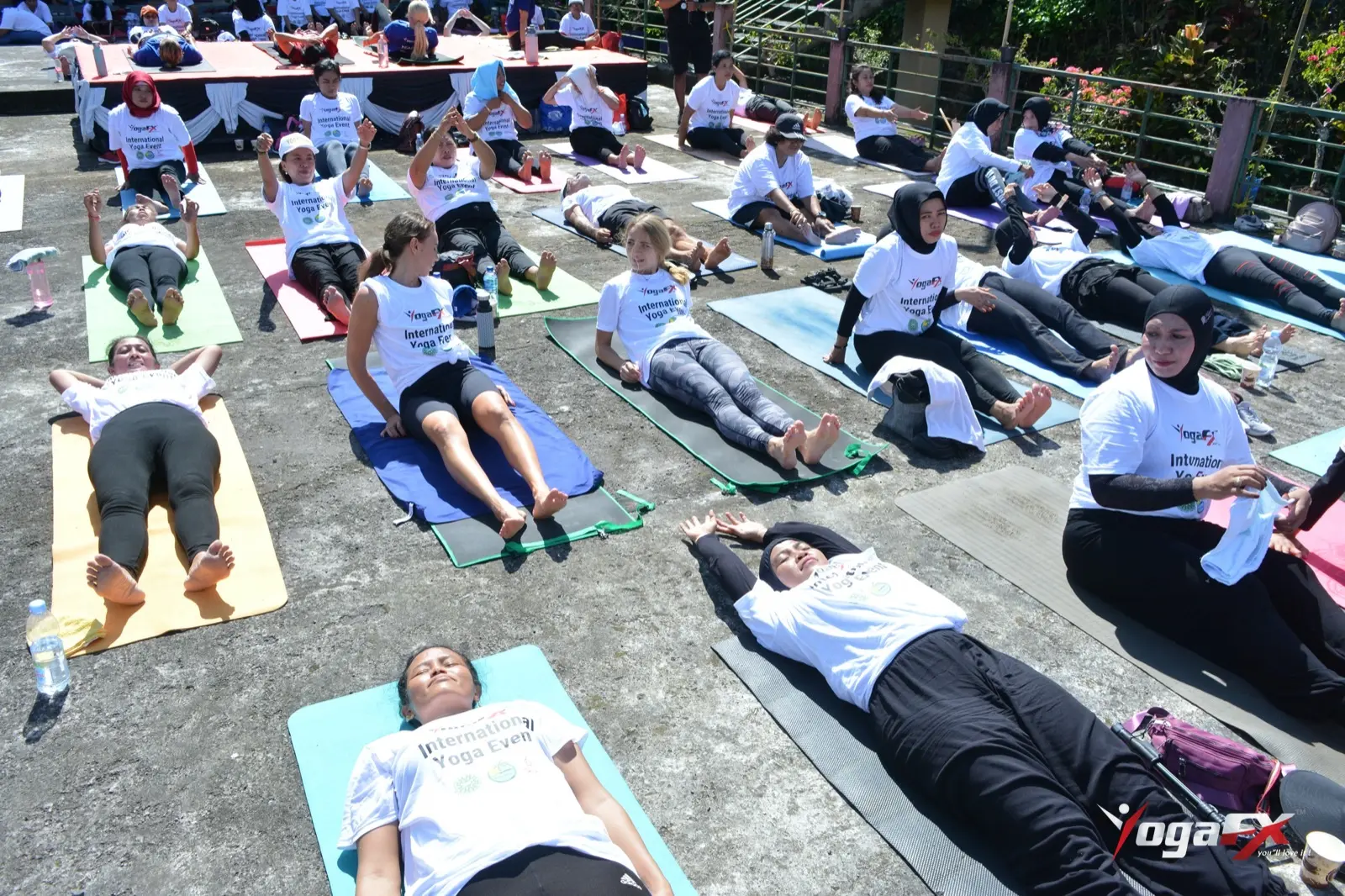
The sequence already contains a recovery tool. Savasana, also called Dead Body Pose, means lying on your back with palms up and eyes closed while the breath slows by itself. You get a two-minute Savasana after the standing series, and short rests between floor postures.
For an athlete, this is the main event of yoga for athletes recovery. Lying flat takes load off the legs and spine. Slow nose breathing steadies the heart after effort. Stillness also trains the nervous system to switch down, a skill that hard-driving athletes rarely practise.
- Let the feet fall open. Your legs and hips can switch off.
- Breathe through the nose. Slow the exhale before the inhale.
- Park tomorrow's plan. Your session log can wait five minutes.
- Rise slowly. Roll to your side first if you feel dizzy.
Savasana does not replace sleep, food or a sensible training week. It is a cheap, repeatable piece of yoga for athletes recovery that you can use on any rest day, at home or in the studio.
The Floor Series After Sport, Posture by Posture
The floor series is the second half of the class: twelve postures on the mat. Most ask little of the legs, so they suit sore athletes better than the standing series. A few, though, load the back or knees. This table sorts them for yoga for athletes recovery after sport.
| Floor posture | What it loads | Recovery fit | How to scale it after sport |
|---|---|---|---|
| Wind Removing Pose | Lower back, hips | Good | Hug one knee at a time and hold for 15 to 20 seconds. |
| Cobra | Spine extensors | Good if low | Stay low with bent elbows. Ease out if the back feels tight. |
| Locust and Full Locust | Back, glutes | Skip when sore | These work the same muscles you just trained. Swap in Cobra. |
| Bow | Back, shoulders, quads | Skip when sore | A strong backbend. Sit it out after deadlifts or long paddling. |
| Fixed Firm | Knees, ankles, quads | Careful | Skip it if the knees feel sore, or sit on a folded towel. |
| Half Tortoise | Upper back, shoulders | Good | Sit back on the heels, fold slowly and breathe. |
| Camel | Hip flexors, spine | Careful | Place hands on the lower back and take a small backbend. |
| Head to Knee with Stretching | Hamstrings | Good with a bent knee | Bend the knee and take a soft pull, never a sharp one. |
| Spine Twisting | Spine, hips | Good | Twist gently. Do not force the turn. |
Notice the pattern. The postures that fold, hug and twist suit a tired body. The ones that lift the legs or arch the back hard repeat the work you just did. In yoga for athletes recovery, skipping a posture is a smart call, not a failure.
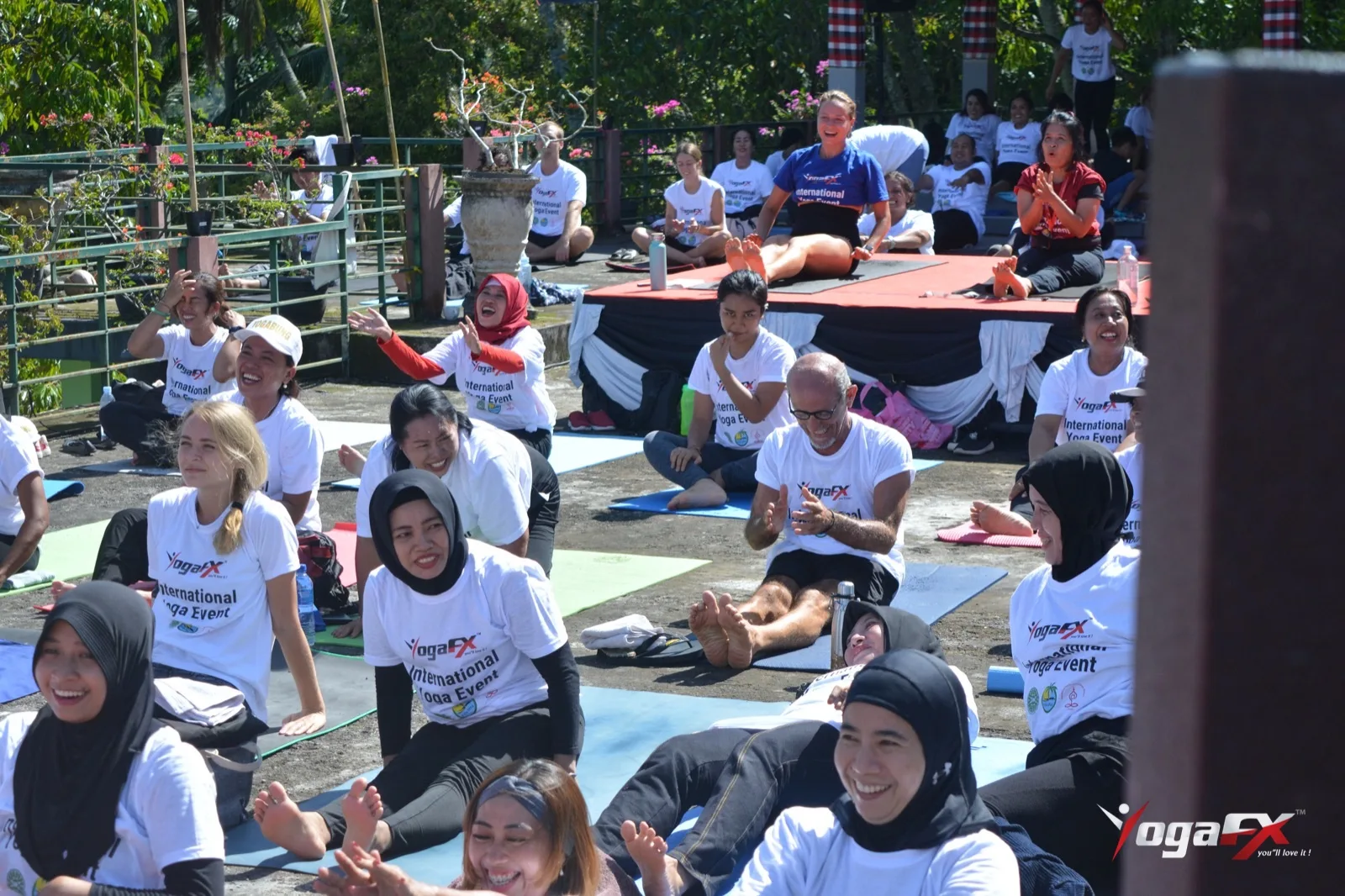
Three rules for the floor series after sport
- Half range. Take each posture to about half your usual depth.
- One set. The class repeats most postures twice, but a sore body can stop after one.
- Skip bruised or sharp. A new strain needs a physio, not a deeper stretch.
DOMS: When a Hot Class Helps or Hurts
DOMS stands for delayed onset muscle soreness. It is the ache that builds a day or two after heavy or unfamiliar work, and it often peaks around the second day. Legs, hips and the lower back are the usual victims after sport.
A warm room can make sore legs feel looser, and students tell us so. Feeling looser is not the same as repairing faster, though. In the sources we could check, we found no trial showing that heat speeds muscle repair. So we treat the warm-room effect as comfort, not treatment.
Use this traffic-light check before you book. It keeps yoga for athletes recovery honest:
- Green: light soreness and a fresh mood. A full class is fine. Work at about 70% depth in the standing series.
- Amber: stiff on the stairs, legs heavy. Take the floor series only, or arrive, breathe, rest in Savasana and leave.
- Red: sharp pain, swelling or poor sleep. No heat today. Walk slowly, rest, and see a physio if the pain stays.
Kevin, who attended every class of a three-day course with two 90-minute classes a day, described what stacked load feels like:
Muscles were sore, body and mind break down until I reached a "mind palace" an impenetrable mentality. I felt invincible.
Kevin, Google review, 2025
That is a student chasing a challenge, and it is a fine goal on a fresh week. It is the opposite of recovery, which is why the amber and red days above exist.
What the Research Says About Yoga for Athletes Recovery
Very few trials test yoga for athletes recovery directly, so be wary of anyone who promises a faster comeback. The useful evidence sits next door, and it is worth reading with care.
- Strength and flexibility. A 2013 Colorado State University trial by Tracy and Hart reported more strength in the back of the body, plus better flexibility, after regular practice of the sequence.
- Wider health. A 2025 systematic review by Willmott and colleagues pooled 43 studies and 942 participants. It reported promising effects on health and well-being.
- Stress. A 2022 study by Hui and colleagues found that hot yoga lowered state anxiety, the short-term stress you feel in the moment.
None of these studies tracked recovery speed. They suggest the sequence is useful and low-risk for healthy adults, which is a different claim. Treat class as one tool beside sleep, food and a sensible training load. This article is general information, so please consult a healthcare professional if you have a heart condition, high blood pressure, a current injury, or take medication that affects heart rate or sweating.
Choosing Your Class by Yesterday's Session
Plan yoga for athletes recovery the way you plan training: by what the last session cost. Here is how Mr. Ian suggests athletes match the class to the day.
- Yesterday was easy. Take a full class and work at 70% depth.
- Yesterday was a long session or heavy legs. Take the floor series and Savasana only. Skip the standing postures after the first few.
- Yesterday was a match, race or event. Use two easy days: breathing and Savasana at home first, then a floor-series visit. Book the full class on day three if your sleep is back.
- You trained hard all week. Pick one class and keep it as your calm session.
For weekly frequency by goal, see how often you should do 26 and 2 yoga. Lifters can pair this plan with our guide to yoga for CrossFitters, and runners will find the stride-focused view in hot yoga for runners.
Reading the Room: Signs to Sit Out a Set
Heat and fatigue stack quickly, so learn the early signs. Teachers expect you to rest. Sitting down for a set is part of the class, and it is the best habit in yoga for athletes recovery.
- Dizziness or tunnel vision. Lie down at once and breathe slowly.
- A racing heart that will not settle. Rest in Savasana until it calms.
- Cramping. Ease out of the posture, sip water and stretch gently.
- Nausea or a pounding head. Stop and tell the teacher.
- Sharp, pinching pain. Skip the posture. Dull stretch is normal. Sharp is not.
What YogaFX Students Say
Our students come from many backgrounds, and many arrived tired, sore or carrying old knocks. These are individual experiences, not promises.
The information complemented the practice and provided alternatives of postures for people with certain injuries.
Cristina, Yoga Alliance review, 2024
I learnt so many things about my body and my mind, I became conscious of so many things I ignored before, now I feel better, nothing than better.
Giovanni, Google review, 2022
Laura, a trainee in our YouTube reviews from 2024, shares her teacher training story in the video below. In total, YogaFX students have left 150 Google reviews, 50 Yoga Alliance reviews and 357 YouTube video testimonials.
Take a Recovery-Smart Class in Bali
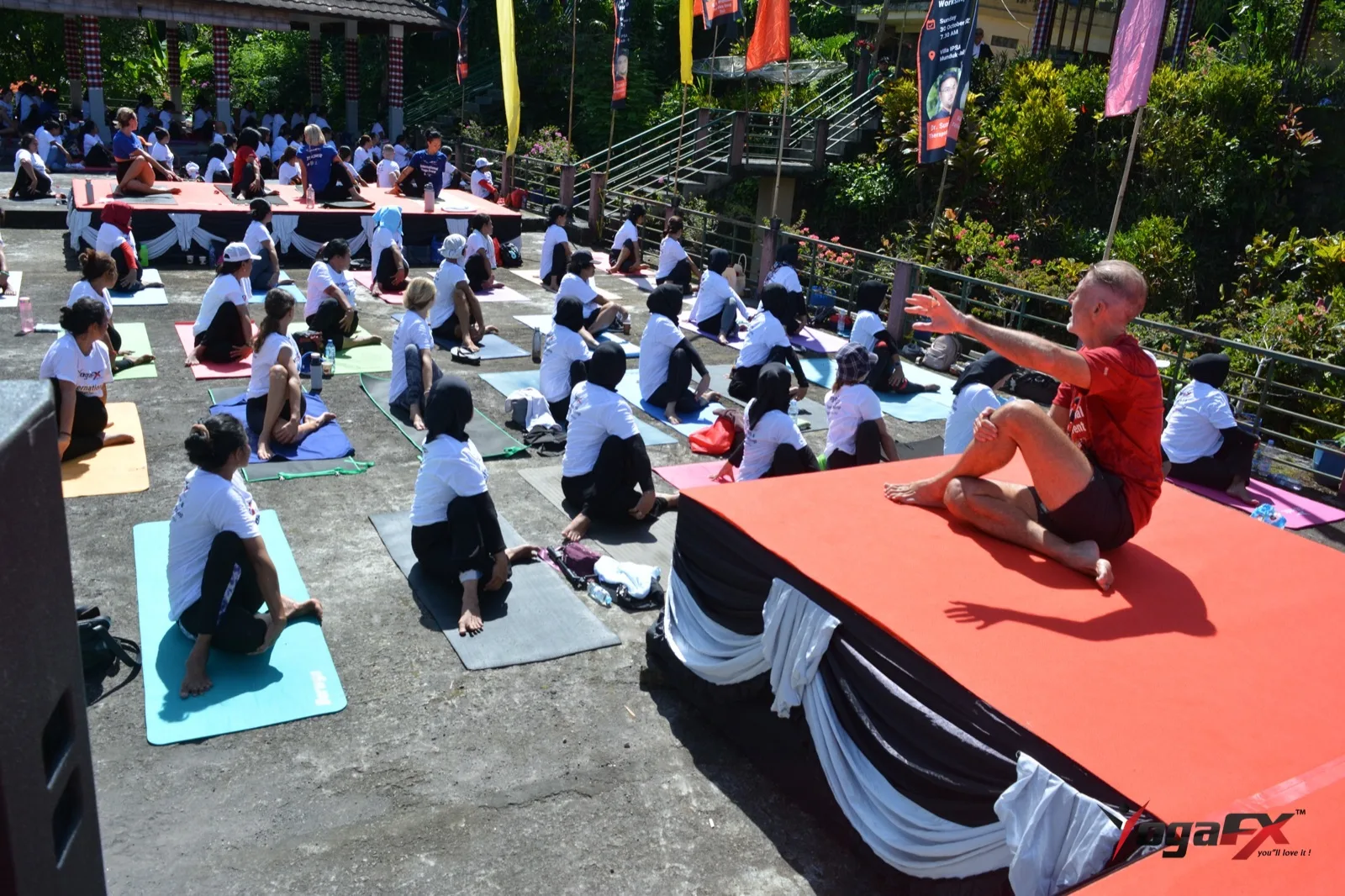
YogaFX teaches in Seminyak and Canggu, and both studios open from 06:00 to 22:00 every day. That window lets you fit a class around a dawn session or a late gym block. The heat comes from Bali's natural tropical climate, not electric heaters.
Tell the teacher about your sport and your last hard session before you start. Then choose your own effort, and rest whenever you need to. Mr. Ian leads the team, and his students include national yogasana competitors, so the team understands athletes who care about performance as much as comfort.
If recovery work makes you curious about teaching the sequence, read about our teacher, Mr. Ian Terry. The six-day hybrid 26 and 2 teacher training runs from Sunday 24 to Friday 29 January 2027 at Soham Wellness Center in Seminyak. Early Bird price is US$1,899, and graduates earn the Yoga Alliance RYT 200 plus the Bikram Hot 26&2 200-Hour International Yoga Certification.
To see how the postures fit together, start with the full 26 and 2 yoga sequence.
FAQ
What is Zone 1 recovery for athletes?
Zone 1 is the easiest training level. You can breathe through your nose and talk in full sentences. For athletes, it means slow, light movement that keeps blood moving without adding stress. Gentle floor postures, Savasana and easy breathing fit Zone 1. A full 90-minute hot class usually does not.
Is Savasana enough recovery after training?
Savasana helps, but it works best beside sleep, food and rest days. Lying still with slow nose breathing calms the body after effort. After a long match or heavy session, add a few gentle floor postures. Savasana alone is a good option when you only have five minutes.
Can I take a 26 and 2 class the day after a hard session?
It depends on how you feel. A full class is 90 minutes in a room near 40°C, so it adds load. After a hard session, take the floor series and Savasana only, or wait a day or two. If your legs feel fresh and you sleep well, a full class is fine.
Is hot yoga good for DOMS?
A warm room can make sore muscles feel looser, but we found no trial showing that heat speeds repair. While you are properly sore, gentle floor postures and Savasana are the safer choice. Save the full hot class for when the soreness has eased and you feel fresh.
Which postures should athletes skip when sore?
Skip hard backbends and leg lifts when the back or legs are sore. That includes Locust, Full Locust and Bow, plus Fixed Firm if the knees ache. Folding, hugging and twisting postures such as Wind Removing, Half Tortoise and Spine Twisting suit a tired body better.
Still have questions? Message Mr. Ian and the YogaFX team on WhatsApp and we will answer them personally. Tell us your sport and your usual training week, and we will help you plan your first class.