Seasonal affective disorder yoga is a supporting routine, not a treatment. A fixed 26 and 2 class gives dark, low-energy weeks a steady anchor: the same 90 minutes, at the same hour, in a warm room. Research on heated yoga and low mood is encouraging but early, so keep your doctor involved.
Table of Contents
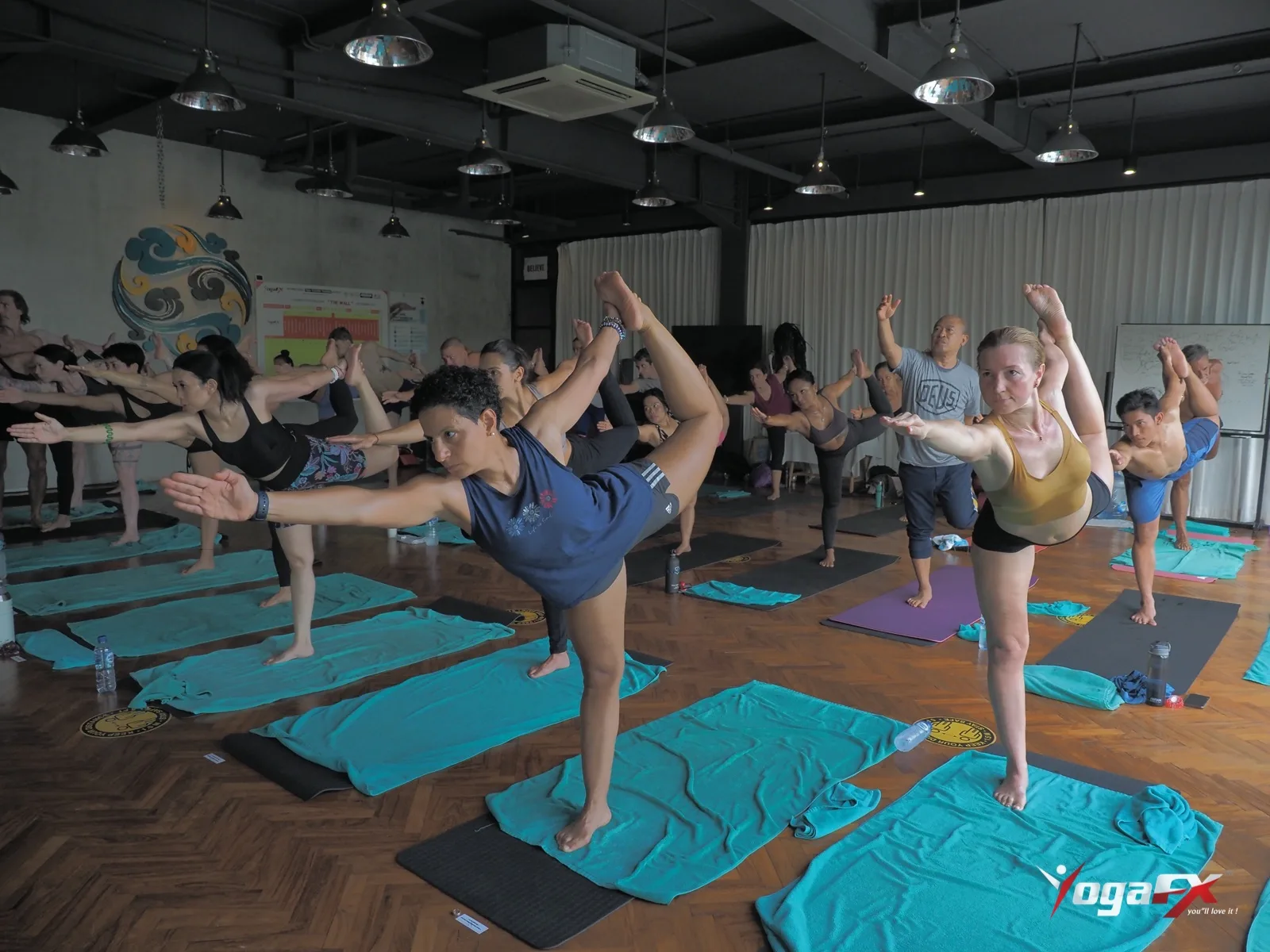
This guide is for people who notice their mood, sleep and energy sink as the days shorten. We cover what the condition is, what the evidence shows about seasonal affective disorder yoga, and how a fixed routine may fit alongside proper care.
Mr. Ian Terry, Founder and Lead Instructor at YogaFX and an E-RYT 500 teacher, keeps the class itself simple and steady, and that steadiness is the point of this article.
Seasonal Affective Disorder Yoga: What a Class Can and Cannot Do
Let us be clear about the limits first. Seasonal affective disorder yoga cannot replace light therapy, talking therapy or medication when a clinician recommends them. A class is one habit among several, and it works best when it supports the plan you agree with your provider.
What seasonal affective disorder yoga can do is give your week a shape. When energy is low, deciding what to do each day is itself tiring. A booked class at a fixed hour removes that decision, and that is a modest but real help for many people.
- It can add structure. The same sequence, at the same time, gives the day a fixed point.
- It can add movement. Mayo Clinic lists regular exercise among self-care steps for the condition.
- It can add daylight and company. A morning class means leaving the house and being around other people.
- It cannot treat the disorder. No yoga trial has shown that it treats seasonal affective disorder itself.
That last point matters. The one strong heated yoga trial we know of studied people with depression in general. It did not test a seasonal pattern. We come back to it below, with the numbers and the limits.
What Seasonal Affective Disorder Actually Is
The US National Institute of Mental Health describes seasonal affective disorder as a type of depression with a recurring seasonal pattern, with symptoms lasting about 4 to 5 months of the year. Most cases are winter-pattern, which starts in late fall or early winter and eases in spring. The institute says it relates to changes in daylight hours, not the calendar. You can read the full NIMH guide to seasonal affective disorder.
Common signs to notice
- Low mood. Feeling sad, empty or hopeless most of the day, nearly every day.
- Low energy. Feeling sluggish, and sleeping more than usual.
- Appetite changes. Carbohydrate cravings, overeating and weight gain are typical of the winter pattern.
- Withdrawal. Pulling back from friends and from things you usually enjoy.
- Poor concentration. Trouble focusing at work or at home.
The NIMH page also lists thoughts of death or suicide among the symptoms, and it says to seek help straight away if you have them. We repeat that here because it matters more than any class.
Why light and the body clock come up so often
Researchers are still working out the causes. Mayo Clinic says the specific cause remains unknown, and it names three possible contributors: your biological clock, serotonin and melatonin. Less sunlight in fall and winter may disrupt your internal clock, and that may affect mood. Its symptoms and causes page sets this out plainly.
The NIMH adds that these theories have not been systematically tested. So when you read a confident claim that one pose "resets" your body clock, treat it with caution. A regular schedule is sensible. A promise is not.
What Medical Sources Recommend First
Before any class, it helps to know the main treatments, because they come first. Mayo Clinic says treatment may include light therapy, psychotherapy and medications. Its diagnosis and treatment page calls light therapy one of the first-line treatments for fall-onset seasonal affective disorder.
- Light therapy. The NIMH describes a 10,000 lux light box used for about 30 to 45 minutes a day, usually in the morning, from fall to spring.
- Psychotherapy. Cognitive behavioural therapy has been adapted for the seasonal pattern, and it may include behavioural activation, which means planning rewarding activities.
- Medication. Antidepressants are used, particularly when symptoms are severe. A clinician decides which one and when.
- Vitamin D. The NIMH says studies are mixed, so check with a provider before taking supplements.
Notice that behavioural activation sits inside the therapy options. Planning regular, rewarding activity is a recognised part of care. A weekly class can serve that purpose, and that is the honest way to think about seasonal affective disorder yoga: as one of your planned activities, not as the treatment.
What the Research Says About Heated Yoga and Low Mood
The most useful trial is a randomized study led by Maren Nyer and colleagues at Massachusetts General Hospital. It appeared in the Journal of Clinical Psychiatry in 2023. Adults with moderate-to-severe depression either took heated hatha yoga at community studios for 8 weeks or joined a waitlist. You can read the paper on Europe PMC.
Of 80 people randomized, 65 were analysed: 33 in the yoga group and 32 on the waitlist. About 59% of the yoga group had their symptoms fall by half or more, against 6.3% of the waitlist. On average, the yoga group attended 10.3 classes over the 8 weeks, which is roughly one a week.
| Source | What it reports | What it means for you |
|---|---|---|
| NIMH (2023) | Seasonal affective disorder is a depression with a seasonal pattern, linked to daylight hours | It is a medical condition, so see a provider |
| Mayo Clinic | Light therapy is a first-line option for fall-onset cases; regular exercise is a self-care step | Use a class alongside light therapy or therapy, not instead |
| Nyer et al. 2023, MGH | 59% of the heated yoga group had a 50% or greater symptom drop, against 6.3% on a waitlist | Encouraging, but it studied depression in general |
| YogaFX class format | 90 minutes, about 40°C, about 40% humidity, 26 postures and 2 breathing exercises | A fixed, repeatable routine you can plan around |
Reading the result honestly
This is where we slow down on seasonal affective disorder yoga. The trial studied depression, not the seasonal pattern. It used heated hatha yoga, not the 26 and 2 sequence specifically. It compared yoga with a waitlist, so it shows a difference from doing nothing, not a difference from other exercise.
The authors themselves call for more research with active comparison groups. The group was also small and mostly women, with a mean age near 33. So the result supports trying seasonal affective disorder yoga as a regular class, and nothing more. Our article on the Harvard depression study goes through the design step by step, and hot yoga for depression covers where the method fits alongside care.
Why a Fixed Class Time Suits a Seasonal Routine
Here is the practical idea behind seasonal affective disorder yoga. Winter-pattern symptoms often arrive with oversleeping, withdrawal and a loss of rhythm. A class that never changes, held at the same hour, pushes back on that drift by giving you a reason to get up and go.
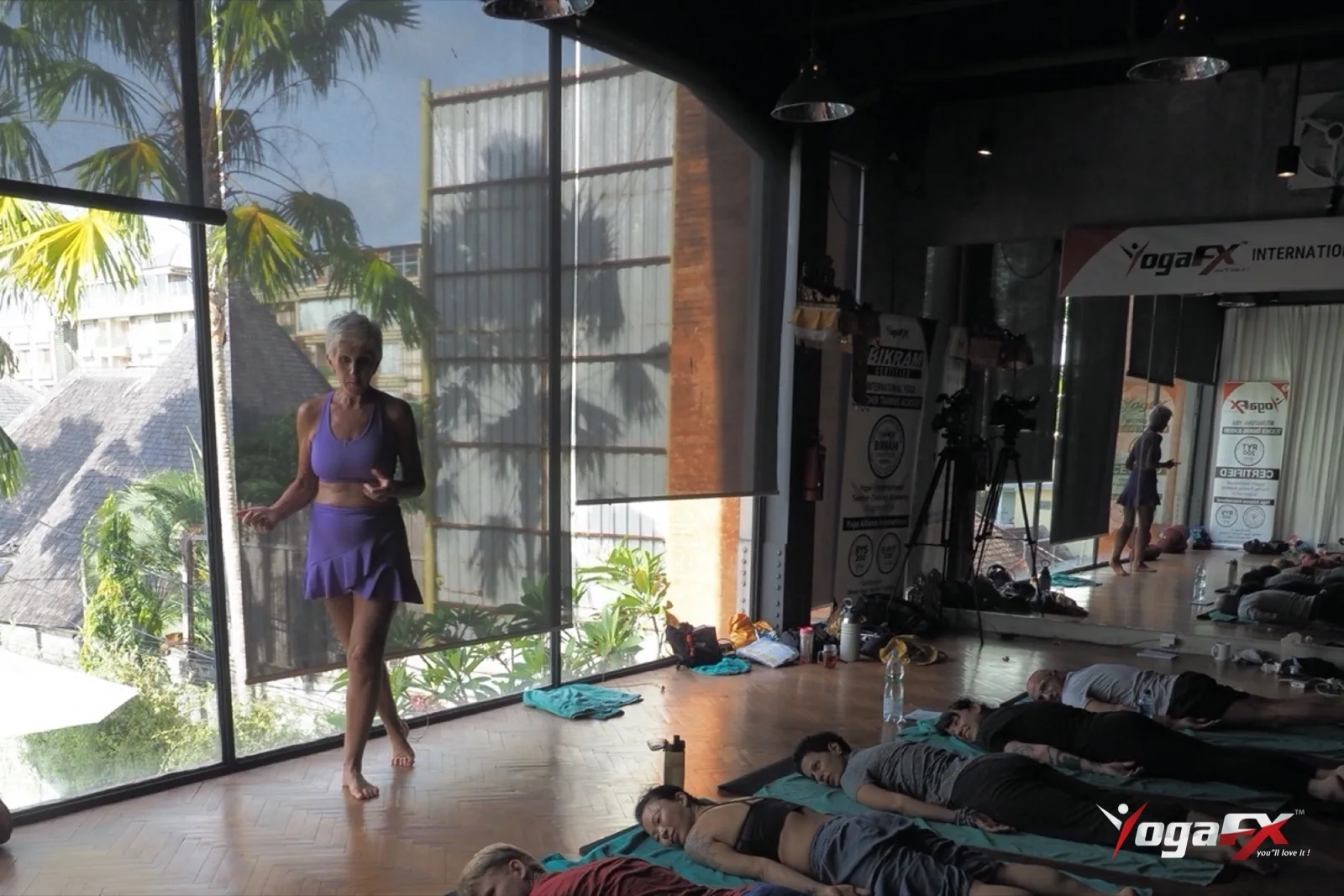
Mayo Clinic suggests keeping a regular sleep schedule and getting outdoor light as part of self-care. A morning class can support both, because you wake at a set time and step out into the day. We are not claiming the class changes your body clock. We are saying it supports a routine that medical sources already recommend.
Morning or evening: a simple comparison
| Class time | Why people choose it | What to watch |
|---|---|---|
| Early morning (from 06:00) | Fits the advice to get light early; leaves the rest of the day free | Eat lightly and drink water the evening before |
| Midday | Breaks up a long, low-energy day | Plan food and water around the class |
| Evening (until 22:00) | Suits people who feel flat in the afternoon and need a reason to go out | A hot, hard class late may make sleep harder for some people |
For seasonal affective disorder yoga, choose the slot you can actually keep. A class you attend every week beats a perfect one you skip. If you are unsure, start with mornings for a fortnight and note how you sleep, then adjust.
Bali also helps here, honestly. The island sits just south of the equator, so daylight hours barely change through the year. Our students are not fighting a short winter day. Many readers of this site live far from the equator, though, so the routine idea is the part that travels.
The 26 and 2 Sequence Through a Seasonal Lens
A 26 and 2 class has 26 postures and 2 breathing exercises, in the same order every time. It runs for 90 minutes in a room of about 40°C and about 40% humidity, and the heat comes from the tropical climate rather than electric heaters. The teacher follows a scripted dialogue, with no music and no demonstration.
Why does that matter for seasonal affective disorder yoga in a low-energy season? Because you never have to decide anything. You show up, you follow the voice, and you rest when you need to. That is a gentle load for a tired mind.
- Opening breathing. The first exercise is slow nasal breathing, which sets a calm pace. See our guide to pranayama breathing in the 26 and 2.
- Standing series. Balance and strength postures that ask for attention and steady eyes.
- Floor series. Lying postures that work the back and spine, with rests between them.
- Closing breath and rest. The final stillness, covered in savasana benefits at the end of the class.
None of these postures treats a mood disorder. We say so plainly because it is the honest line. What they offer is movement, focus and a built-in rest, which is a sensible mix for a heavy season.
Seasonal Affective Disorder Yoga at a Glance
Seasonal affective disorder and a 26 and 2 routine in four numbers
Sources: NIMH, Seasonal Affective Disorder (2023); Nyer et al., Journal of Clinical Psychiatry (2023); YogaFX class format. The trial studied depression, not seasonal affective disorder, and shows no promise for any individual.
Staying Safe: Heat, Medication and When to Get Help
Seasonal affective disorder yoga in a hot room is a physical load, so check a few things first. This section matters more for people who take medication or have another condition. Please read it before you book.
- Talk to your provider first. Tell them you plan to take a heated class, especially if you take antidepressants or have a heart condition.
- Mention bipolar disorder. Mayo Clinic notes that people with bipolar disorder need care, because light therapy or an antidepressant can potentially trigger a manic episode. Raise any class plans with your clinician too.
- Never change medication yourself. The NIMH says not to start or stop medication, or add supplements, without talking to a provider.
- Pace the heat. Build up slowly, drink water, and leave the room whenever you feel dizzy. Our guide to heat acclimatization in a 26 and 2 room shows how.
- Tell your teacher. Share injuries, conditions and medication before class.
Consult a healthcare professional before you begin, particularly if you have been low for more than two weeks. If you ever have thoughts of harming yourself, contact your local emergency number or a crisis line straight away. In the United States, you can call or text 988. This article is general information, not medical advice, and it cannot assess your own health.
Mayo Clinic also says alternative approaches are not a substitute for medical care, and it lists yoga among relaxation techniques that may help with stress. That is the fair summary: helpful company for care, never a replacement for it.
What Students Say About the Routine
We cannot show you a clinical result, but we can show you what students say. These reviews are about the class and the training, not about seasonal affective disorder, and we include them only so you can judge the atmosphere for yourself.
A trainee in our YouTube review (2023) said: "You're all so amazing. You're like, man, so supportive, so great." You can watch the short video below.
Another trainee in our YouTube review (2024) said to Mr. Ian: "you never let us quit you kept pushing forward" and called the place "the most beautiful place I think I've ever seen".
Kadek, in a Google review from 2024 (translated), wrote: "Very enjoyable, it makes the body healthy. You can learn many things and it is very fun." These are personal experiences, not measurements.
How YogaFX Teaches the 26 and 2 Class
YogaFX was founded in 2017 and has trained more than 1,500 teachers from over 80 countries. Mr. Ian Terry, E-RYT 500, is the founder and lead instructor, with more than 12,000 teaching hours. Our only open studio is in Seminyak, Bali, at Jl. Pangkungsari Gg Jepun No.888, Kuta Utara, Seminyak, Badung, Bali 80361. It is open from 06:00 to 22:00 every day.
New students can take a free 1-Day Guest Pass, which makes the first class free. That is a low-pressure way to test seasonal affective disorder yoga and see whether the room, the heat and the quiet dialogue suit you. If you take medication or have been advised to avoid heat, speak to your doctor before you go.
If you want to talk it through, message the team on WhatsApp and say you are reading about seasonal affective disorder yoga. A real person will reply with honest advice, including advice to see your provider first when that is right for you.
FAQ: Seasonal Affective Disorder Yoga Questions and Answers
Does yoga help seasonal affective disorder?
No yoga trial has tested seasonal affective disorder directly. One 2023 trial found heated yoga helped adults with depression more than a waitlist did. Yoga may support a routine, but medical sources put light therapy, psychotherapy and medication first. Talk to your provider before relying on a class.
Which yoga poses are used for seasonal affective disorder?
No pose has been shown to treat the condition. In a 26 and 2 class the same 26 postures and 2 breathing exercises run in a fixed order, so you do not choose poses. The value lies in regular movement, steady breathing and a final rest, not in one posture.
Does exercise help seasonal affective disorder?
Mayo Clinic lists regular exercise among self-care steps for the condition, alongside outdoor light and a regular sleep schedule. It is not a stand-alone treatment. A weekly class counts as planned activity, and it can sit beside light therapy or therapy your clinician recommends.
Is hot yoga safe if I take antidepressants or have bipolar disorder?
Ask your doctor before you start. Heat is a physical load, and Mayo Clinic warns that people with bipolar disorder need extra care with some seasonal treatments. Tell your teacher about medication before class, build up slowly, drink water, and leave the room whenever you feel unwell.
Should I take a morning or an evening class?
Choose the time you can keep. Mayo Clinic advises early outdoor light and a regular sleep schedule, so many people start with mornings. A late, hot class may make sleep harder for some people. Try one pattern for two weeks, note your sleep and mood, then adjust.
Still have questions? Message Mr. Ian and the YogaFX team on WhatsApp and we will answer them personally.